
What is required to build a quality EB-2 NIW project? 4 crucial characteristics to note
minhle
EB-2 NIW Visa
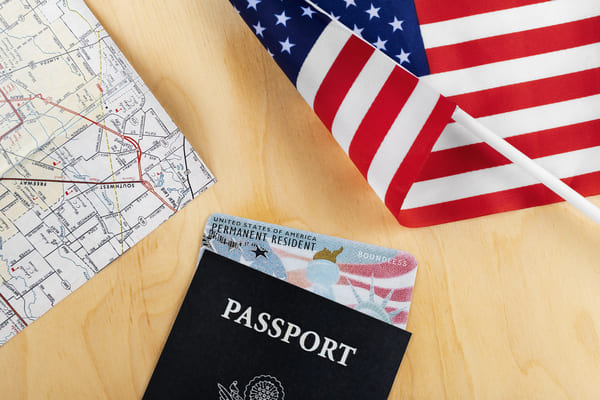
During the process of entering the US, the I-94 is the crucial document that determines a foreign national’s lawful period of stay in the United States. This form records the class of admission and the specific date by which the traveler must depart after each entry into the US. This information helps travelers proactively arrange their stay and prepare necessary procedures. This article from First Consulting Group (FCG) – a US Immigration Law Firm – provides an overview and a clear, easy-to-follow guide on how to check your expiration date.
The Arrival/Departure Record, or Form I-94, is an official document issued by U.S. Customs and Border Protection (CBP) to foreign nationals upon their arrival in the US. It is the legal document confirming that the individual has been authorized to enter the US, the purpose of their entry, and how long they are permitted to stay.
A visa and Form I-94 serve different legal functions:
A visa can be issued with a validity period of several years. For instance, B1/B2 tourist/visitor visas can be issued for up to 12 months depending on the specific case. However, the authorized duration of stay in the US for each entry is recorded on the I-94 form and is determined by the CBP officer at the port of entry, typically not exceeding 6 months.
Currently, the I-94 is primarily issued in an electronic format. Travelers no longer receive a white paper slip stapled into their passports as they did previously (except for certain special cases at land ports of entry). Travelers need to access the official CBP website to retrieve and print a copy when necessary.
This form plays a decisive role during your time in the US for the following reasons:
Determining the Legality of the Stay
The expiration date on this form is the legal boundary between lawful presence and unlawful presence in the US. Staying in the US even one day past this date can be considered a violation of immigration regulations.
For cases where this record notes D/S (Duration of Status) commonly applied to F-1 students and J-1 exchange visitors—the lawful period of stay depends on maintaining valid status according to regulations. If the individual no longer meets the requirements, their lawful status terminates, which can lead to legal risks.
Independence from Visa Validity
Many people believe they can remain in the US until their visa expires. In reality, even if a visa is valid for another 5 years, if the arrival/departure record only authorizes a stay of 6 months, the traveler must depart the US at the end of those 6 months.
Impact on Future Immigration Procedures
Remaining in the US past the expiration date can cause you to violate immigration laws. This information is routinely cross-referenced by authorities when reviewing subsequent applications, such as visa renewals, extensions of stay, or adjustments of status.
To proactively manage your lawful stay in the US and avoid the risks of overstaying, travelers should check their status immediately after each entry into the US. Since 2013, U.S. Customs and Border Protection (CBP) has implemented an electronic admission registration system at most air and sea ports of entry.

How to look it up online:
Information to verify:
In some cases, the electronic system may not display this information immediately, especially when entering the US via a land border or shortly after entry. In such scenarios, the individual can contact the nearest Deferred Inspection office or email I94-TDU@cbp.dhs.gov for assistance with corrections.
The lawful period of stay is not fixed. It depends on the visa type and the decision of the CBP officer at the port of entry:
Tourist/Visitor Visas (B1/B2):
International Students (F-1):
Temporary Workers (H-1B):
Recommendation from Immigration Attorneys: Always keep a printed copy of your I-94 with your passport. You should clearly distinguish between visa validity and the authorized period of stay in the US, especially when traveling or visiting family, to proactively plan your departure or prepare a timely extension application.
Overstaying sometimes stems from errors during the process of checking and monitoring arrival records. Common mistakes include:
When you re-enter the US, the system creates a new record, automatically superseding the previous one. This can sometimes cause confusion about which record is currently active, especially for individuals who travel frequently between the US and Canada or Mexico.
How to handle discrepancies:
In addition to determining the lawful period of stay, this form serves as a foundational reference for many subsequent immigration procedures.
Information from this record is routinely cross-referenced by immigration and relevant authorities when reviewing the following procedures:
Although automatic statutory bars to re-entry (3-year or 10-year bars) generally apply only when an individual overstays by more than 180 days, you must note:
To mitigate risks regarding lawful residency status in the US, travelers should:
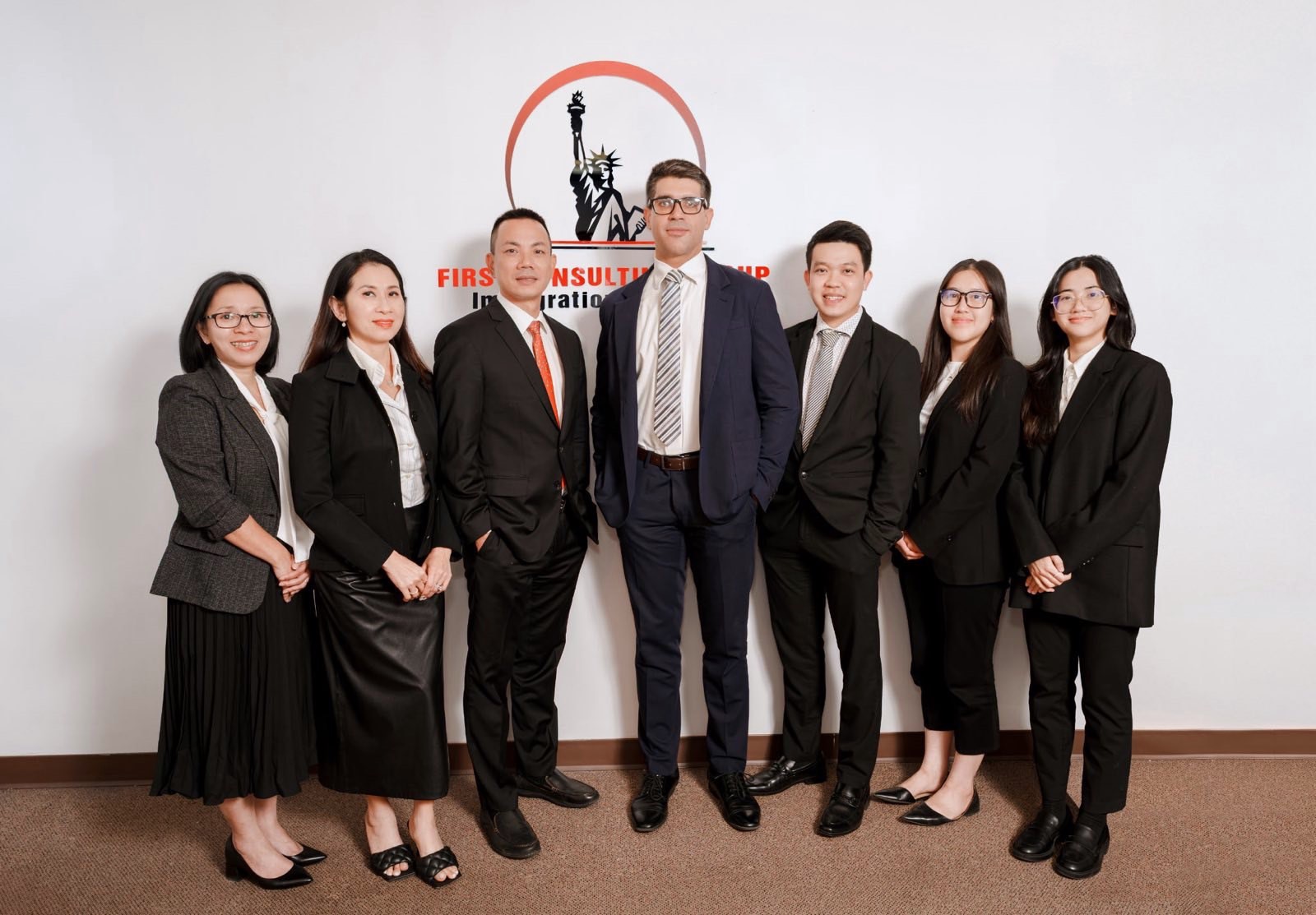
The I-94 is one of the most critical legal bases for determining a foreign national’s lawful period of stay in the US. With 23 years of experience accompanying the international community, First Consulting Group – a US Immigration Law Firm—stands ready to provide clear, compliant advice and support for each specific case to help protect your lawful immigration status in the United States.
FOR A FREE CONSULTATION, PLEASE CALL:
– Hotline: (877) 348-7869
– Garden Grove Office: (714) 638-3111
– San Jose Office: (408) 998-5555
– Houston Office: (832) 353-3535
– Vietnam Office: (028) 3516-2118
Disclaimer: All information provided in this document is intended for general informational purposes only and does not constitute formal legal advice. Statistical data and processing timelines reflect the public records available at the time of publication. For precise legal assessments, please schedule a direct consultation with First Consulting Group.
Top Articles


The U.S. immigration process can be intricate, involving detailed legal requirements and procedures. To better address your unique situation, please provide your contact details to arrange a personalized consultation. A member of First Consulting Group’s dedicated team will contact you during business hours to offer expert guidance.

USA
12966 Euclid St., Suite 520, Garden Grove, CA 92840
(714) 638-3111
USA
989 Story Rd., Suite 8075, San Jose, CA 95122
(408) 998-5555
USA
1880 S Dairy Ashford Rd Ste 539, Houston, TX 77077
(832) 353-3535
VIETNAM
8th Floor, Tuoi Tre Tower, 60A Hoang Van Thu St., Duc Nhuan Ward, SaiGon
(028) 3516-2118
VIETNAM
5th Floor, Bao Minh Building, 08 Phan Van Tri St., Ninh Kieu Ward, Can Tho City
(0292) 383-0001
VIETNAM
5th Floor, Viettel Building, 11 Ly Thuong Kiet St., Thuan Hoa Ward, Hue City
(0234) 381-0016
VIETNAM
6th Floor, ACB Building, 218 Bach Dang St., Hai Chau Ward, Da Nang City
0886 00 34 00