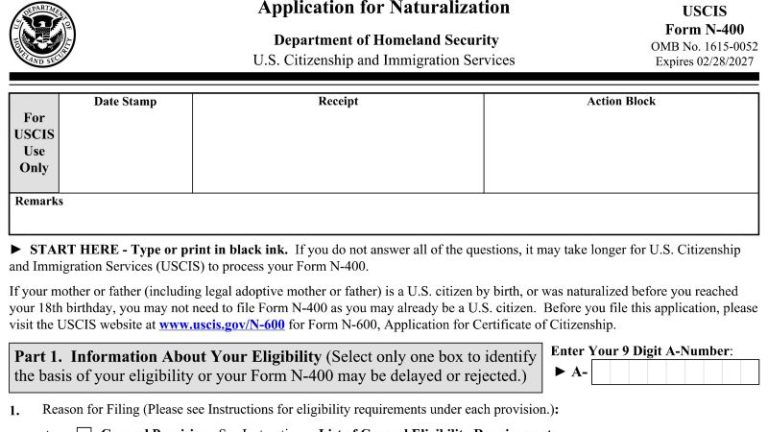
The US Green Card allows you to live and work legally long-term in the United States. This is a permanent resident status that brings many benefits regarding residency, study, and employment for the holder. First Consulting Group has accompanied many US immigration cases with a team of experienced lawyers who possess a deep understanding of immigration law.
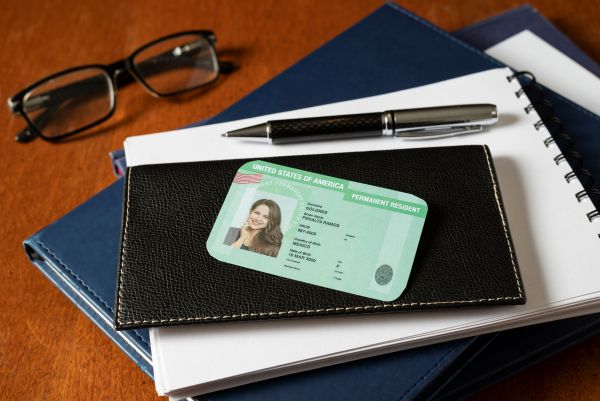
The US Green Card is a US permanent resident document issued by USCIS, allowing legal long-term residency in the United States. The holder of this document is permitted to live, work, and study in any state without the need for a visa.
Many people easily confuse the US Green Card, a visa, and US citizenship. A visa only allows entry and stay for a certain period with a specific purpose such as tourism, business, or studying abroad. Meanwhile, a green card is a document confirming legal permanent resident status in the US.
For a 10-year green card, the holder has the right to reside long-term in the US if they comply with the regulations on permanent residency. The 2-year green card (Conditional Resident) is a conditional permanent resident status, usually applied to certain marriage-based sponsorship or investment immigration cases. Before the card expires, the applicant needs to file a petition to remove the conditions according to regulations to maintain their legal permanent resident status in the US.
A person holding a permanent resident card (Permanent Resident Status) is not yet considered a US citizen. Permanent residents still retain their original nationality and do not yet have full political rights, such as the right to vote. However, after maintaining permanent resident status for 3 to 5 years (depending on the category), the applicant can submit documents to apply for naturalization to become an official US citizen.
The green card is divided into two common types: the 2-year card and the 10-year card. The 2-year (conditional) green card is typically issued to applicants immigrating under the marriage category who have been married for less than 2 years (such as CR1, CR6) or the EB5 investment category. Before the 2-year green card expires, the holder must carry out the procedure to apply for the removal of permanent residence conditions to be converted into a 10-year green card.
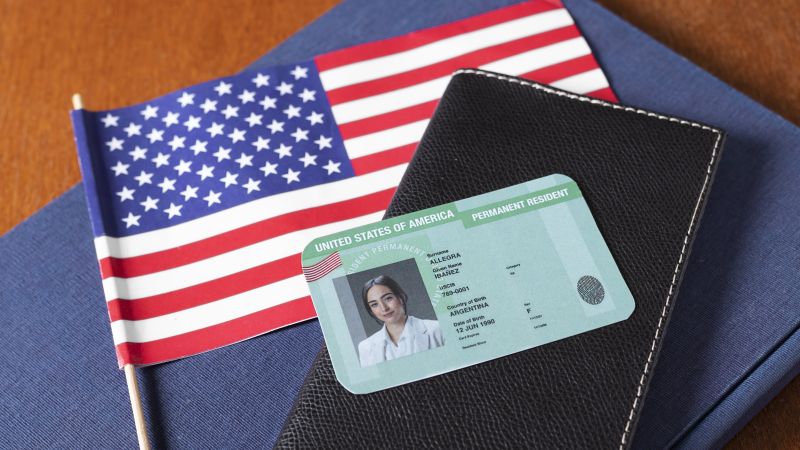
The benefits of having a green card are not limited to just legally residing in the United States. Green card holders in the US also enjoy many benefits regarding employment, education, social security, and family sponsorship according to US immigration law. This is also one of the reasons why many people desire to possess permanent resident status in the US.
Outstanding benefits of US permanent residents include:
Many people wonder how to get a green card in the US and what conditions need to be met to be granted permanent resident status. To apply for a US residency document, the applicant must belong to a legal immigration category as prescribed by US immigration law. Each category will have its own requirements for documentation, financial conditions, and processing time, so identifying the right suitable program from the beginning is very important.

In US immigration, Family Sponsorship is a major category, which is divided into two branches: immediate relatives (IR) and family preference (F):
No annual limit on the number of visas, fast processing time.
– IR1/CR1: Spouse of a US citizen.
– IR2/CR2: Unmarried child under 21 years old of a US citizen.
– IR5: Parent of a US citizen (the sponsor must be 21 years of age or older).
Subject to an annual quota, must wait according to the Visa Bulletin schedule.
– F1: Unmarried child over 21 years old of a US citizen.
– F2A: Spouse and unmarried child under 21 years old of a Permanent Resident.
– F2B: Unmarried child over 21 years old of a Permanent Resident.
– F3: Married child of a US citizen.
– F4: Sibling of a US citizen.
EB-1: Persons with extraordinary ability, outstanding professors/researchers, multinational managers.
EB-2: Persons with advanced degrees or exceptional ability, including NIW (National Interest Waiver).
EB-3: Professionals, skilled workers, unskilled workers.
EB-4: Special immigrants (religious workers, etc.).
For investors and their families (spouse and unmarried children under 21 years old) in two forms:
– Investment through a Regional Center.
– Direct investment.
Minimum capital level:
– $800,000: For projects in Targeted Employment Areas (TEA) or infrastructure projects.
– $1,050,000: For other areas.
Requirements: Prove the legal source of funds and create at least 10 jobs for US workers.
Refugee and political asylum categories.
Diversity Visa Program.
Special immigrants such as religious workers, military translators, etc.
Victims of domestic violence.
Conditions for issuing a US Green Card include:
Notes on Cost & Time:
Cost: Total government fees (application fee, green card fee, medical examination, etc.) vary depending on the immigration category and the number of members. Note that these fees are regularly updated according to the new regulations of USCIS.
Processing Time:
A clear procedure for getting a green card in the US helps you proactively prepare according to USCIS standards, reducing the risk of delays or application rejection.
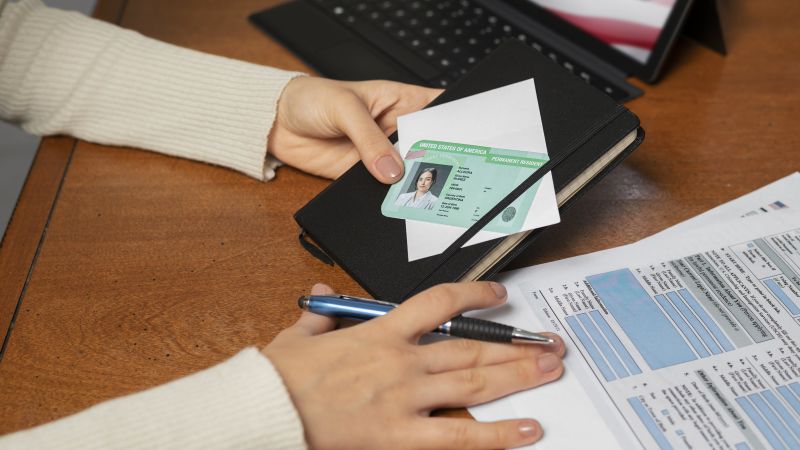
General documents to prepare when applying for a US Green Card:
Specific documents according to each immigration category:

After acquiring permanent resident status, you need to maintain it by:
If you need more information or consultation about the US green card, immigration applications, family sponsorship, or complex immigration procedures, please contact First Consulting Group for our team of lawyers to provide dedicated support, guidance, and professional application processing.
PARA UNA CONSULTA GRATUITA, POR FAVOR LLAME AL:
– Línea directa: (877) 348-7869
– Oficina de Garden Grove: (714) 638-3111
– Oficina de San José: (408) 998-5555
– Oficina de Houston: (832) 353-3535
– Oficina de Vietnam: (028) 3516-2118
Descargo de responsabilidad: Toda la información proporcionada en este documento está destinada únicamente a fines informativos generales y no constituye asesoramiento legal formal. Los datos estadísticos y los tiempos de procesamiento reflejan los registros públicos disponibles en el momento de la publicación. Para obtener evaluaciones legales precisas, por favor programe una consulta directa con First Consulting Group.




The U.S. immigration process can be intricate, involving detailed legal requirements and procedures. To better address your unique situation, please provide your contact details to arrange a personalized consultation. A member of First Consulting Group’s dedicated team will contact you during business hours to offer expert guidance.

USA
12966 Euclid St., Suite 520, Garden Grove, CA 92840
(714) 638-3111
USA
989 Story Rd., Suite 8075, San Jose, CA 95122
(408) 998-5555
USA
1880 S Dairy Ashford Rd Ste 539, Houston, TX 77077
(832) 353-3535
VIETNAM
8th Floor, Tuoi Tre Tower, 60A Hoang Van Thu St., Duc Nhuan Ward, SaiGon
(028) 3516-2118
VIETNAM
5th Floor, Bao Minh Building, 08 Phan Van Tri St., Ninh Kieu Ward, Can Tho City
(0292) 383-0001
VIETNAM
5th Floor, Viettel Building, 11 Ly Thuong Kiet St., Thuan Hoa Ward, Hue City
(0234) 381-0016
VIETNAM
6th Floor, ACB Building, 218 Bach Dang St., Hai Chau Ward, Da Nang City
0886 00 34 00