What is required to build a quality EB-2 NIW project? 4 crucial characteristics to note
minhle
EB-2 NIW Visa
Many families have parents, children, or siblings currently permanently residing or studying in the United States. However, when beginning to research how to apply for a U.S. visitor visa to visit family, many individuals feel completely overwhelmed by the extensive document checklists and unpredictable interview questions at the U.S. Consulate. First Consulting Group compiled this comprehensive article based on hundreds of real-world cases to help you understand every procedural step, build a compliant portfolio, and enter the interview room with absolute confidence.
A U.S. visa for visiting relatives is classified as a temporary nonimmigrant visa under the B-2 category, authorized and issued by the U.S. Department of State. This specific entry permit is designed for foreign nationals who wish to enter the United States for short-term stays, including vacation, visiting family, or receiving medical treatments. Federal regulations strictly prohibit B-2 visa holders from performing any form of salaried labor, seeking employment, or establishing permanent residence inside the United States.
The B-2 visa typically carries a validity period of 12 months (1 year) and authorizes multiple entries. Once approved, you can travel to the United States multiple times to visit your family without needing to resubmit a new application from scratch, provided the visa remains valid. The actual authorized duration of stay for each specific entry is determined solely by the Customs and Border Protection (CBP) officer at the Port of Entry—ordinarily capped at a maximum of 6 months and formally recorded electronically on your Form I-94 ledger.
The application package is submitted and adjudicated at the U.S. Consulate General in Ho Chi Minh City or the U.S. Embassy in Hanoi, depending on the applicant’s official place of residence. After completing the mandatory online steps and funding the government fee, the applicant must register an interview date through the official U.S. Department of State visa portal prior to attending the live interview.
When evaluating a B-2 visitor visa application, U.S. consular officers operate under the legal presumption that the applicant intends to immigrate. Therefore, the single most critical factor to secure an approval is providing clear, objective evidence of profound socio-economic ties to your country of origin, such as stable professional employment, registered real estate assets, or deep immediate family relationships that you cannot realistically abandon. Adjudicating officers rely on these proofs to verify that you will return home timely upon program completion.
This structured process is regulated by the U.S. Department of State. Applicants can track their case status electronically online and strategically plan their travel itineraries:
Step 1: Form completion and fee payment: Complete Form DS-160 online with absolute data integrity, then generate the localized bank payment instruction sheet to fund the nonimmigrant visa application fee (currently set at $185, payable in local currency according to the designated bank’s official exchange rate).
Step 2: Scheduling the interview appointment: Utilize your unique fee receipt reference number to schedule your live interview appointment at the diplomatic mission in Hanoi or Ho Chi Minh City. Note that during peak travel seasons, appointment backlogs can extend for several months.
Step 3: Attending the live interview: Arrive at the consulate holding your valid passport, a printed copy of your Form DS-160 confirmation page containing the barcode, and a compliant biometric photo. The officer will ask targeted questions to verify your transparency and evaluate your roots in your home country.
Step 4: Receiving the final result: You will learn the definitive outcome of your application immediately at the window. If approved, the officer retains your physical passport to issue the visa foil. If refused, your passport is returned immediately along with a written statement explaining the statutory grounds of denial.
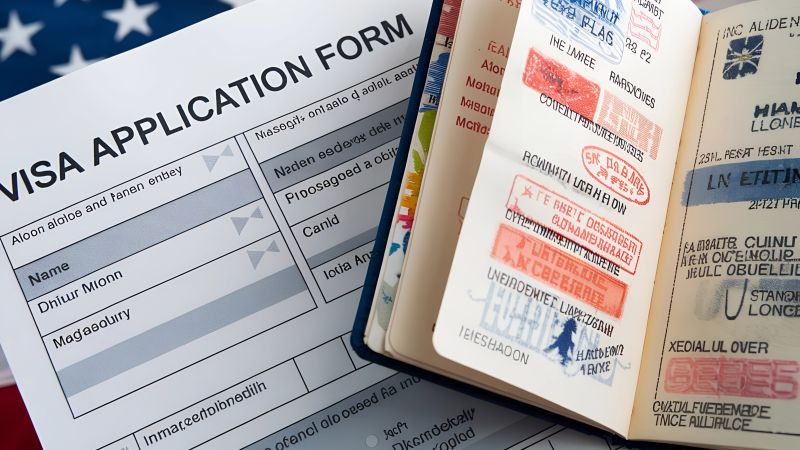
Compiling your physical evidence portfolio with care is critical. If a vital supporting record is missing, the consular officer may evaluate the file unfavorably.
A valid passport with an expiration date extending at least 6 months beyond your intended stay.
The printed confirmation page of your fully executed online Form DS-160.
The official cash receipt verifying the completion of your nonimmigrant visa fee payment.
A compliant biometric photograph matching standard U.S. visa specifications.
A certified employment contract, active business license, or an official letter verification of income.
Original bank savings ledgers or certificates of deposit displaying stable holdings for at least 3 to 6 months to maximize credibility.
Official civil documents (birth certificates, household registries) verifying your exact family relationship with the relative in the U.S.
A formal letter of invitation drafted by your U.S.-based relative or student sponsor (if applicable).
Demonstrating compelling ties to your home country—proving exactly why you are legally bound to return—remains the parameter consular officers scrutinize most closely. Maintaining an active corporate career, regular household income, and immediate family dependencies remaining behind are your strongest defenses.
Additionally, preparing a simple, clear travel itinerary drastically elevates your credibility. A basic outline showing your intended arrival and departure dates, housing locations, and contact details of the family members you plan to see helps clarify the temporary purpose of your visit.
A live U.S. nonimmigrant visa interview is brief, typically lasting only 2 to 5 minutes. Consular officers systematically focus their adjudication on three core exploratory pillars:
The explicit purpose of travel: Whom are you visiting, what is your exact family relationship, and how long do you intend to stay?
Socio-economic ties to your country of origin: What active employment, corporate assets, or family bonds legally obligate you to return home?
Historical international travel footprint: Which foreign nations have you previously visited, and do you hold any current unexpired international visas?
The Golden Rules for the Interview: Provide short, direct verbal answers that align perfectly with the metadata input on your Form DS-160. Only hand physical documents through the window when explicitly requested by the officer, and avoid offering long, unverified explanations. Maintaining calm confidence and absolute honesty is the ultimate key to proving your nonimmigrant intent.
Can an applicant re-file a B-2 visitor visa package after experiencing an administrative refusal? Yes, absolutely—but you should only fund a subsequent application once you have accurately diagnosed the specific weak points of your prior attempt and integrated a significant change in your evidentiary circumstances.
The most common grounds for a Section 214(b) refusal include:
Presenting volatile or unverified financial records, such as large, unexplained cash injections right before filing.
Failing to establish verifiable, long-term employment or deep social roots in your home country.
Outlining an ambiguous or illogical travel purpose that contradicts your submitted records.
Possessing an exceptionally weak international travel history with zero prior entry precedents.
Presenting contradictory data across various documents or making inconsistent verbal statements.
Although temporary visitor tracks do not demand a contractually binding financial affidavit from your U.S. relatives like permanent immigrant visa categories, the comprehensive quality of your dossier must still explicitly confirm your individual financial self-sufficiency and intent to return.
Ensure absolute document transparency and data consistency from start to finish.
Document a verified corporate path paired with a stable, recurring income stream.
Accumulate a legitimate international travel footprint in visa-regulated nations if possible.
Structure your verbal responses to be concise, factual, and direct.
Master every detail of your intended travel plan and articulate it seamlessly.
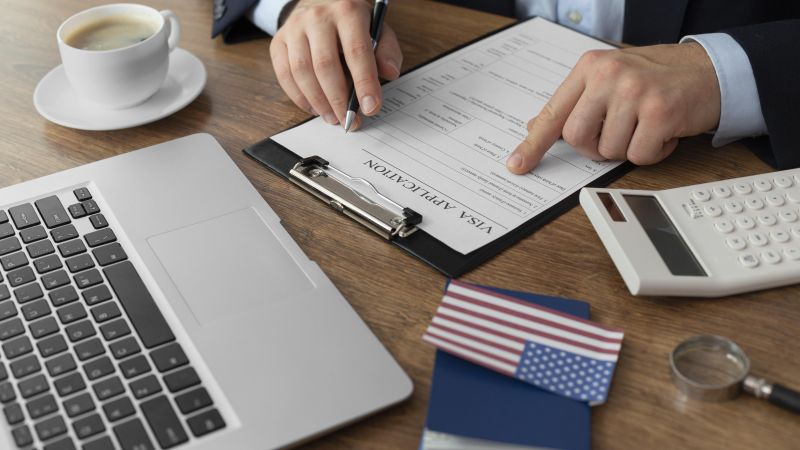
Data errors, omissions, or misrepresentations within your Form DS-160 package can permanently damage your credibility and elevate your risk of visa denial. Historically, applicants who showcase a clear, legitimate professional career, verifiable assets, and a consistent travel footprint score significantly higher during consular screening. These factors provide objective proof that the applicant possesses strong roots that require them to depart the United States timely.
Securing a U.S. B-2 visitor visa is a fully achievable reality when you understand the statutory boundaries of nonimmigrant intent, compile your files meticulously, and master your interview strategy. Investing in professional case management early saves time and eliminates unnecessary re-filing costs.
First Consulting Group is ready to guide you—from initial Form DS-160 data auditing to advanced interview preparation. Contact our experienced immigration specialists today to secure your dedicated case consultation.
FOR A FREE CONSULTATION, PLEASE CALL:
– Hotline: (877) 348-7869
– Garden Grove Office: (714) 638-3111
– San Jose Office: (408) 998-5555
– Houston Office: (832) 353-3535
– Vietnam Office: (028) 3516-2118
Disclaimer: All information provided in this document is intended for general informational purposes only and does not constitute formal legal advice. Statistical data and processing timelines reflect the public records available at the time of publication. For precise legal assessments, please schedule a direct consultation with First Consulting Group.
Top Articles

The U.S. immigration process can be intricate, involving detailed legal requirements and procedures. To better address your unique situation, please provide your contact details to arrange a personalized consultation. A member of First Consulting Group’s dedicated team will contact you during business hours to offer expert guidance.

USA
12966 Euclid St., Suite 520, Garden Grove, CA 92840
(714) 638-3111
USA
989 Story Rd., Suite 8075, San Jose, CA 95122
(408) 998-5555
USA
1880 S Dairy Ashford Rd Ste 539, Houston, TX 77077
(832) 353-3535
VIETNAM
8th Floor, Tuoi Tre Tower, 60A Hoang Van Thu St., Duc Nhuan Ward, SaiGon
(028) 3516-2118
VIETNAM
5th Floor, Bao Minh Building, 08 Phan Van Tri St., Ninh Kieu Ward, Can Tho City
(0292) 383-0001
VIETNAM
5th Floor, Viettel Building, 11 Ly Thuong Kiet St., Thuan Hoa Ward, Hue City
(0234) 381-0016
VIETNAM
6th Floor, ACB Building, 218 Bach Dang St., Hai Chau Ward, Da Nang City
0886 00 34 00