
DHS issues final rule changing admission period for foreign students and exchange visitors
minhle
News

Applying for a US visa remains a major challenge for applicants from the country of origin—not due to a lack of financial resources, but because of a lack of proper understanding regarding how to prove the purpose of the trip and the intent to return to the host country. The Consulate is only concerned with one primary question: whether or not you intend to remain in the US unlawfully, and thousands of applications are refused each year due to an illogical presentation. With over 23 years of experience, this professional office notes that the majority of applications are refused because applicants do not understand the true nature of the entire process.
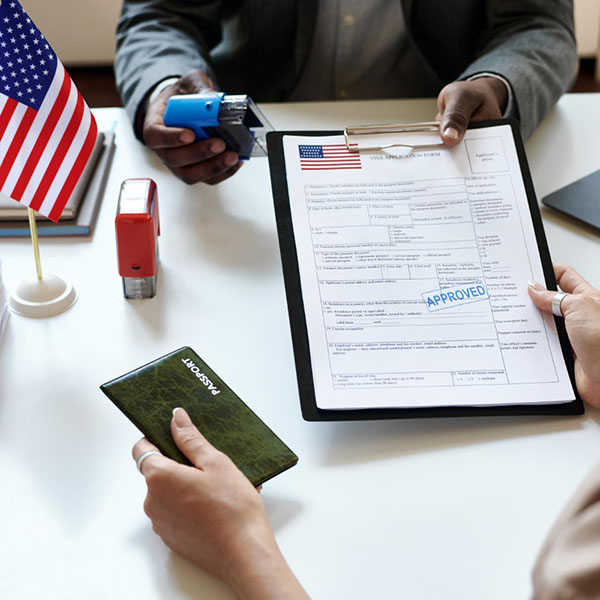
Before beginning to prepare documentation, the most critical step is to clearly understand which visa category you require and why. Each US visa type is designed for a specific purpose, and selecting the incorrect category from the outset can cause the entire process to fail before it even begins.
Common US visa types are currently divided into two primary groups: nonimmigrant visas and immigrant visas.
Nonimmigrant US visas are designated for individuals with temporary purposes:
Immigrant US visas are designated for individuals who wish to reside permanently in the United States, typically through family sponsorship or employment.
When applying for a visitor or tourist visa, US law presumes that every visa applicant has immigrant intent. Your responsibility is to utilize your documentation and statements to convince the consular officer that you will only travel for a short duration and will return.
Selecting the incorrect visa category results in an immediate refusal from the start. For example, if you wish to travel to the US to work but submit an application for a B1/B2 visa under the guise of tourism, this creates a contradiction and leads to a refusal.
Many applicants confuse the roles of the US Department of State and USCIS:
The US Department of State is responsible for issuing visas at embassies and consulates abroad. This is where you submit your application, undergo the interview, and receive the visa decision.
USCIS (U.S. Citizenship and Immigration Services) is responsible for domestic immigration matters within the United States, such as visa extensions, adjustments of status, green cards, and naturalization.
When you apply for a visa to travel to the United States from abroad, you will submit petitions to USCIS when applicable, but you will undergo the interview process at the Consulate.
Visa validity is the timeframe during which you are permitted to use the visa to enter the United States. Generally, US visas may be valid from 1 to 10 years. This does not mean you are permitted to remain in the United States for 10 years.
The duration of stay is determined by the immigration officer at the port of entry and is recorded on Form I-94 (Arrival/Departure Record). For B1/B2 visas, you are typically permitted to stay for a maximum of 6 months per entry.
A valid visa does not guarantee entry into the United States. To the question “Can you be denied entry if your visa is still valid?”, the answer is yes. The immigration officer at the airport possesses the authority to refuse entry if they suspect the purpose of your trip or detect a prior violation of stay conditions.
Understanding this distinction helps you avoid violating immigration laws and protects your eligibility.
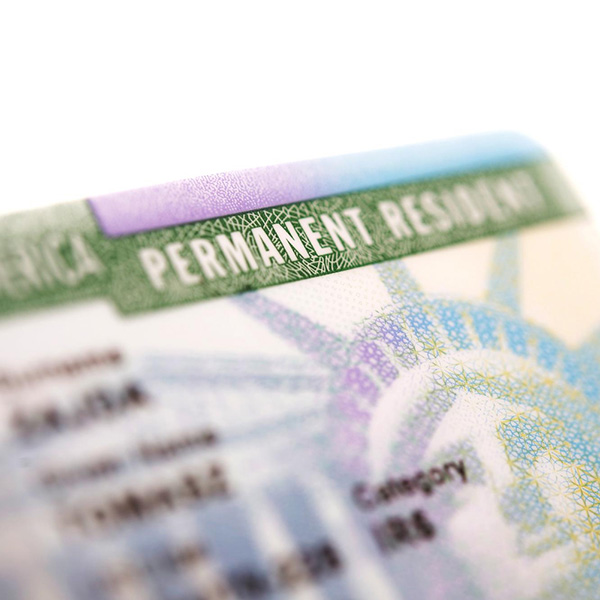
Many individuals believe that having substantial financial resources guarantees approval. In practice, this office has witnessed numerous cases where applicants with excellent financial profiles were still refused—because their US visa documentation failed to correctly address the implicit questions posed by the consular officer. Below are the factors that truly determine the approval or refusal of a US visa application.
Standard documentation when applying for a US visa includes:
Important supplemental documentation:
A common mistake is submitting documents that are complete but fragmented, failing to create a logical narrative. A strong case file is one that helps the consular officer clearly understand: what you will do in the US, for how long, and why you are certain to return.
| Visa Type | Application Fee (USD) | Processing Time | Financial Documentation | Interview |
| B1/B2 (Tourism/Business) | 185 | 3–10 days | Mandatory | Yes |
| F1 (Student) | 185 | 3–10 days | Mandatory | Yes |
| J1 (Exchange) | 185 | 3–10 days | Program dependent | Yes |
| H1-B (Employment) | 190 | 3–10 days | Borne by sponsor | May be required |
The application fee for a B1/B2 US tourist visa is 185 USD, payable via bank transfer or at designated collection points. This fee is non-refundable if the application is refused.
In addition to the application fee, you should factor in:
The average total cost for a US visa ranges from 5 to 7 million local currency units, excluding professional expert consultation fees if utilized.
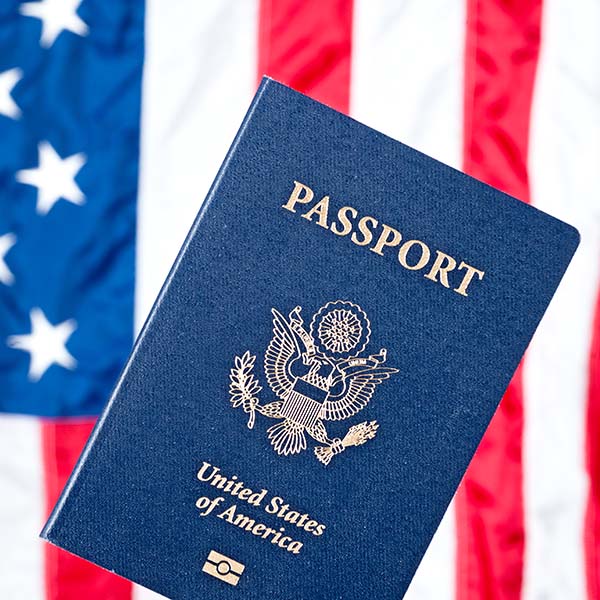
The process of applying for a US visa consists of multiple steps, each affecting the final timeline for receiving results. Below is what you need to know.
The timeframe for obtaining a US visa from initial preparation to final results ranges from 4 weeks to 3 months, depending on the season and the visa category.
Primary steps:
If your application undergoes “Administrative Processing,” the waiting timeframe may be extended by several weeks to several months. This occurs when the Consulate needs to perform additional verifications before rendering a decision.
During peak seasons (May–August), interview appointment schedules are often fully booked. You should prepare your application at least 2–3 months prior to your intended departure date to the US.
Upon arriving at the Consulate, you will undergo biometric fingerprinting prior to entering the interview. The timeframe from fingerprinting and the interview to receiving your passport with the issued visa is typically 5–7 business days.
Possible outcomes include:
In certain scenarios, you may be required to undergo fingerprinting again if the application is placed on hold or if biometric data needs to be updated. This does not mean the application is refused, but it will extend the waiting timeline.
When should you retain an immigration expert? Consider doing so if you have a prior refusal, if your background involves complex factors (such as divorce, unemployment, or extended business trips), or if you lack confidence in presenting your case logic.
With an experienced team of immigration professionals spanning over 23 years, thousands of complex cases have achieved approval. Rather than merely checking documents, an expert builds a tailored strategy based on your specific circumstances—maximizing your chances of success on the first attempt.
After a visa is issued, the holder must comply strictly with the declared purpose of travel to avoid visa revocation. Utilizing your US visa properly helps mitigate the risk of being refused entry or having the visa canceled. Many cases face adverse consequences due to overstaying or violating visa conditions by working under an unauthorized status. Furthermore, upon entry, immigration officers maintain the authority to question you to verify the purpose of your trip; therefore, it is vital to prepare consistent and clear information.

If you require further information or legal counsel regarding US visa applications, permanent residency files, family sponsorship, or complex immigration procedures, contact this professional office for dedicated guidance and professional case handling. Connect with the unit to receive personalized consultations and accompaniment throughout your immigration journey.
FOR A FREE CONSULTATION, PLEASE CALL:
– Hotline: (877) 348-7869
– Garden Grove Office: (714) 638-3111
– San Jose Office: (408) 998-5555
– Houston Office: (832) 353-3535
– Vietnam Office: (028) 3516-2118
Disclaimer: All information provided in this document is intended for general informational purposes only and does not constitute formal legal advice. Statistical data and processing timelines reflect the public records available at the time of publication. For precise legal assessments, please schedule a direct consultation with First Consulting Group.
Top Articles
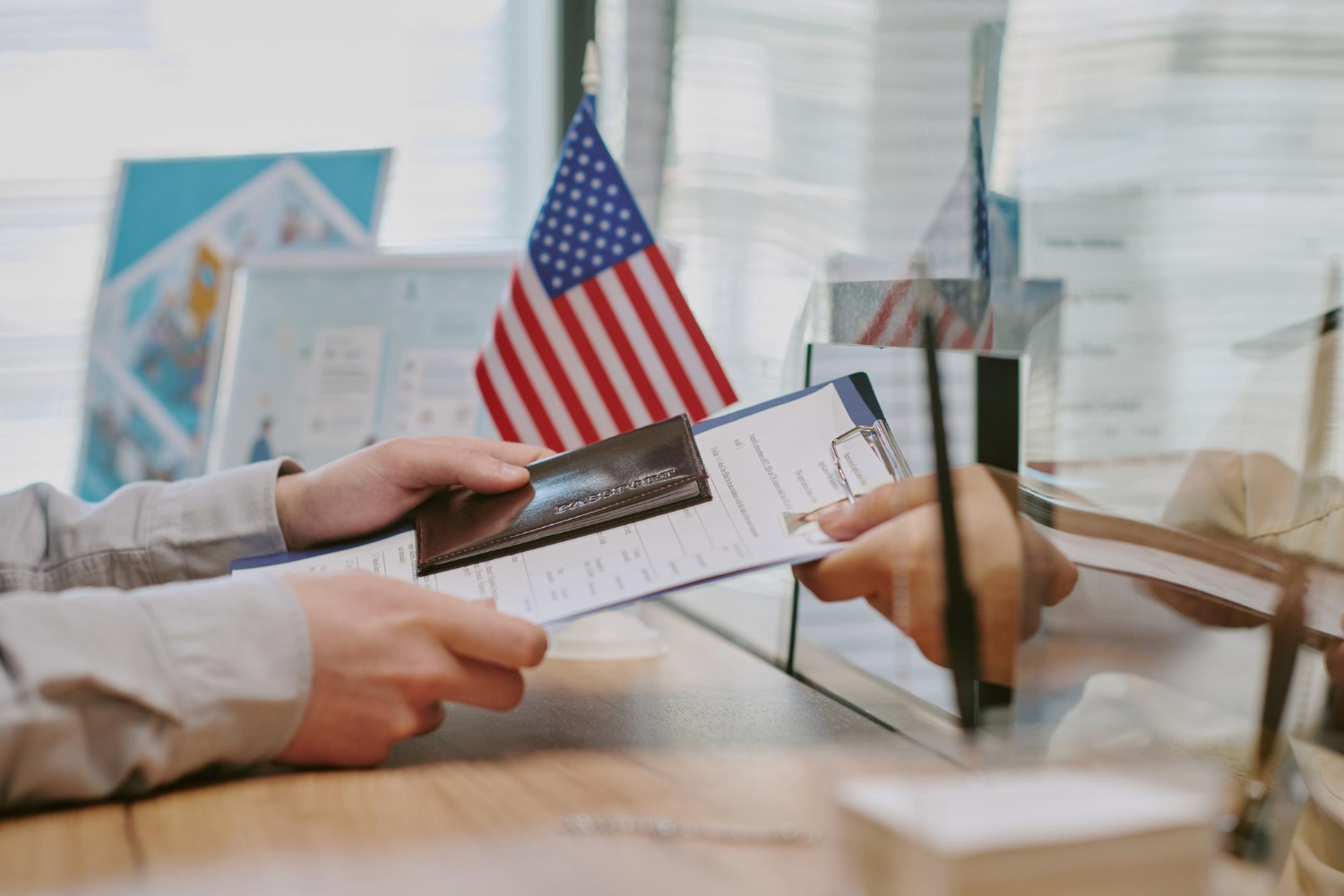

The U.S. immigration process can be intricate, involving detailed legal requirements and procedures. To better address your unique situation, please provide your contact details to arrange a personalized consultation. A member of First Consulting Group’s dedicated team will contact you during business hours to offer expert guidance.

USA
12966 Euclid St., Suite 520, Garden Grove, CA 92840
(714) 638-3111
USA
989 Story Rd., Suite 8075, San Jose, CA 95122
(408) 998-5555
USA
1880 S Dairy Ashford Rd Ste 539, Houston, TX 77077
(832) 353-3535
VIETNAM
8th Floor, Tuoi Tre Tower, 60A Hoang Van Thu St., Duc Nhuan Ward, SaiGon
(028) 3516-2118
VIETNAM
5th Floor, Bao Minh Building, 08 Phan Van Tri St., Ninh Kieu Ward, Can Tho City
(0292) 383-0001
VIETNAM
5th Floor, Viettel Building, 11 Ly Thuong Kiet St., Thuan Hoa Ward, Hue City
(0234) 381-0016
VIETNAM
6th Floor, ACB Building, 218 Bach Dang St., Hai Chau Ward, Da Nang City
0886 00 34 00