U.S federal court officially blocks immigrant visa suspension for 75 countries
minhle
News

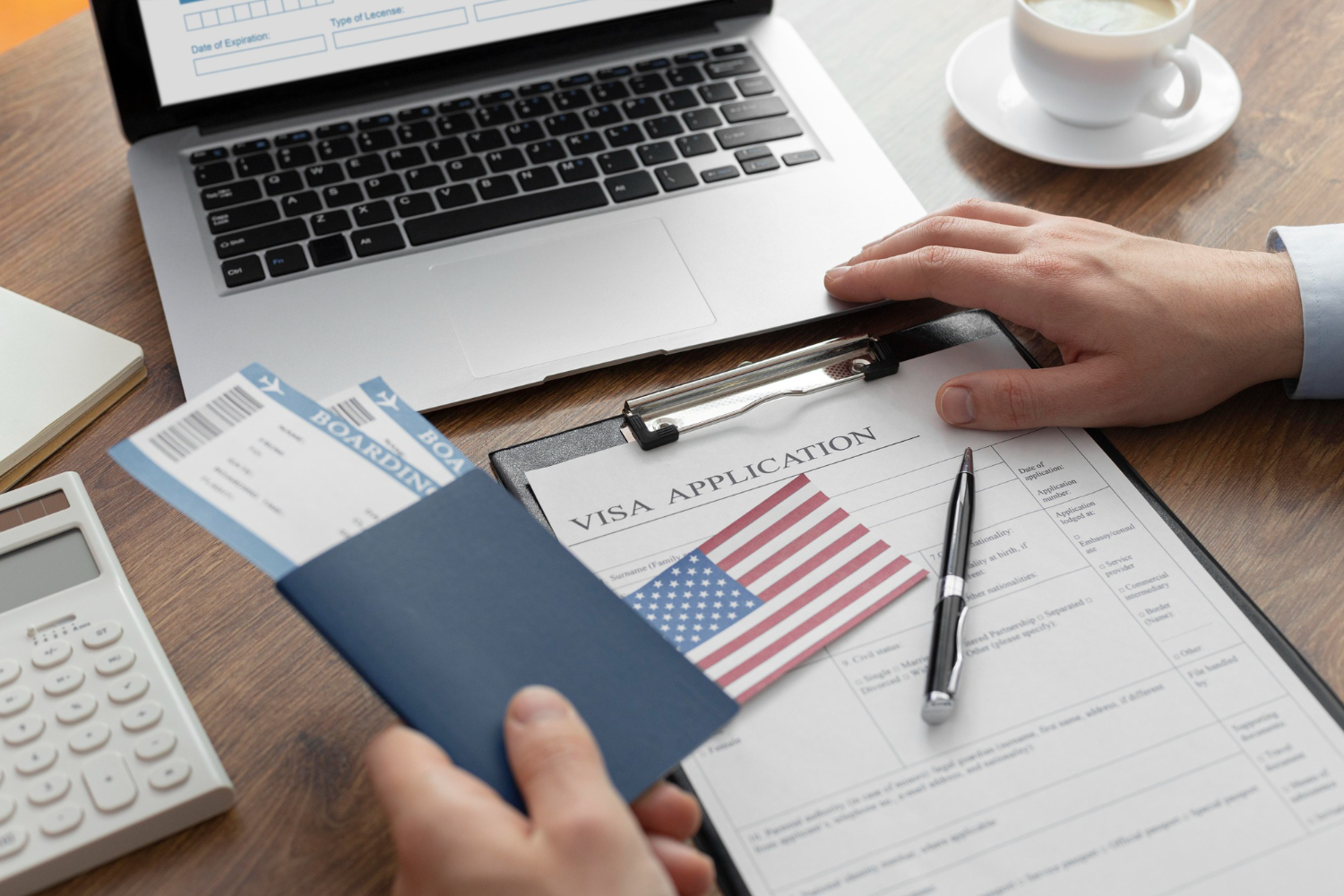
The U.S. nonimmigrant visa application, Form DS-160, is a mandatory electronic form required for virtually all nonimmigrant visa categories. From a B1/B2 visitor visa to an F1 student visa, all applicants must execute and submit this form through the online portal managed by the U.S. Department of State. However, many applicants make the fundamental mistake of assuming that because it is the same universal form, the information can be entered identically across all case types. This flawed approach causes numerous files to be flagged for inconsistencies, ultimately resulting in a visa refusal. Drawing from extensive case management experience, the advisory team at First Consulting Group has observed that correctly tailoring your declarations to match your specific visa classification significantly reduces potential legal and procedural risks.
The question “Can this universal form be filled out identically for every U.S. visa category?” is a common area of confusion for many applicants. In practice, although everyone utilizes the exact same electronic interface, the strategic presentation of answers and the specific informational data points emphasized must be completely different. These distinct parameters must be maintained seamlessly throughout the preparation, submission, and subsequent utilization of Form DS-160, directly corresponding to the visa classification you are seeking.
The structural divergence rests upon three primary pillars:
The U.S. immigration framework enforces highly intricate regulations regarding how each distinct visa classification is adjudicated. Gaining a comprehensive understanding of these underlying differences significantly enhances your overall approval odds.
Preparing Form DS-160 for tourist versus business visas involves critical operational differences, even though both fall under the broad B1/B2 nonimmigrant classification. A tourist visa application must direct intense focus toward proving a bona fide intent to return to your home country immediately following a brief stay. In contrast, a business visa application must explicitly document your formal relationship with the sponsoring corporate entity, while concurrently establishing the temporary nature of your trip.
Critical operational factors to monitor:
Establishing a transparent, logical purpose of travel helps the consular officer easily comprehend your true intent. This effectively neutralizes any administrative suspicion regarding an intent to accumulate unlawful presence.
Executing the nonimmigrant visa application for academic paths requires absolute, 100% data alignment between your declarations on Form DS-160 and your physical Form I-20 (for F-1 students) or Form DS-2019 (for J-1 exchange visitors). Both classifications demand definitive proof of sufficient financial capability alongside a clear, legally compliant nonimmigrant intent to return home upon completing the curriculum.
Core data fields requiring absolute consistency:
Consular officials scrutinize financial stability and legitimate academic motivation with a high degree of stringency. Vague responses or unconvincing profiles are primary drivers of immediate visa refusals.
“What happens if my visa was previously refused?” is a pervasive inquiry among applicants attempting to re-execute their U.S. visa applications online. Holding a record of a prior visa refusal does not mean future relocation or travel opportunities are eliminated. However, when navigating these complex backgrounds, applicants routinely retain professional immigration firms to formulate a compliant disclosure strategy and insulate the new application from fatal procedural errors.
Complex immigration scenarios demanding advanced review:
Maintaining uncompromised honesty regarding your complete international travel history demonstrates personal credibility. Consular officers universally evaluate upfront honesty far more favorably than any attempt to conceal historical facts.
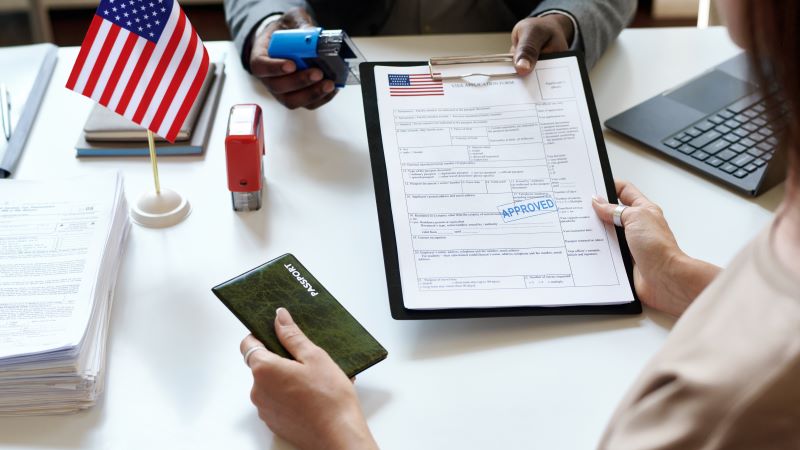
Form DS-160 operates as the primary foundational document for nearly all nonimmigrant entries into the United States. Every data point declared on the face of the form is systematically utilized by federal officers to audit your credibility, verify your travel intent, and evaluate your statutory eligibility for visa issuance. Consequently, obtaining a thorough grasp of the underlying legal requirements and consular adjudication criteria is a vital step to avoid simple errors and secure a swift approval on your initial submission.
The online Form DS-160 is processed through the secure electronic visa network of the United States, where the Department of State archives and processes the data for a defined statutory duration to facilitate background checks, visa adjudication, and interview scheduling. This means that every single declaration carries permanent legal weight and can be cross-referenced against your profile in all future applications—including those executed years down the road.
The federal information archiving system operates under the following parameters:
Our firm frequently undertakes rescue cases for applicants who faced severe visa rejections simply because their current employment or title descriptions failed to align with data entered in historical filings, despite the fact that their professional roles had legitimately evolved over time. This reality underscores the absolute importance of maintaining pristine data consistency and accuracy across your lifetime immigration record.
The online U.S. visa application is a legal instrument possessing high evidentiary weight. Intentionally providing fraudulent data can lead to an immediate denial at the port of entry. In severe scenarios, it can trigger a long-term or permanent statutory bar to entering the United States under federal immigration law.
Form DS-160 must be finalized and transmitted directly through the electronic portal operated by the Bureau of Consular Affairs. Upon successful electronic transmission, the applicant is issued an official Confirmation Page featuring a unique tracking barcode. This specific confirmation document is required to successfully schedule your visa interview date and pass through security checkpoints at the U.S. Embassy or Consulate.
Prior to attending your scheduled interview, you must execute a thorough audit of your finalized Form DS-160. This critical review should be performed post-submission and prior to locking in your interview date to guarantee that your declared biographical data, professional records, and immigration histories align perfectly with your physical civil documents and the verbal answers you intend to provide to the consular officer.
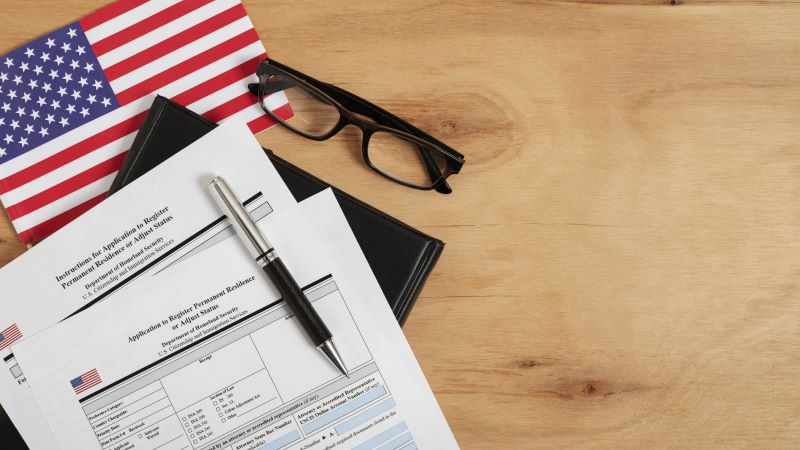
We recognize that meticulous data accuracy is the absolute foundation for a successful visa outcome. Backed by 23 years of specialized experience managing thousands of diverse cases, our legal team is fully committed to guiding you through every procedural milestone—from raw document assembly to a successful visa issuance. Connect with our offices today to secure a personalized consultation and ensure your Form DS-160 is prepared in perfect alignment with your family’s unique circumstances.
FOR A FREE CONSULTATION, PLEASE CALL:
– Hotline: (877) 348-7869
– Garden Grove Office: (714) 638-3111
– San Jose Office: (408) 998-5555
– Houston Office: (832) 353-3535
– Vietnam Office: (028) 3516-2118
Disclaimer: All information provided in this document is intended for general informational purposes only and does not constitute formal legal advice. Statistical data and processing timelines reflect the public records available at the time of publication. For precise legal assessments, please schedule a direct consultation with First Consulting Group.
Top Articles
The U.S. immigration process can be intricate, involving detailed legal requirements and procedures. To better address your unique situation, please provide your contact details to arrange a personalized consultation. A member of First Consulting Group’s dedicated team will contact you during business hours to offer expert guidance.

USA
12966 Euclid St., Suite 520, Garden Grove, CA 92840
(714) 638-3111
USA
989 Story Rd., Suite 8075, San Jose, CA 95122
(408) 998-5555
USA
1880 S Dairy Ashford Rd Ste 539, Houston, TX 77077
(832) 353-3535
VIETNAM
8th Floor, Tuoi Tre Tower, 60A Hoang Van Thu St., Duc Nhuan Ward, SaiGon
(028) 3516-2118
VIETNAM
5th Floor, Bao Minh Building, 08 Phan Van Tri St., Ninh Kieu Ward, Can Tho City
(0292) 383-0001
VIETNAM
5th Floor, Viettel Building, 11 Ly Thuong Kiet St., Thuan Hoa Ward, Hue City
(0234) 381-0016
VIETNAM
6th Floor, ACB Building, 218 Bach Dang St., Hai Chau Ward, Da Nang City
0886 00 34 00