What is required to build a quality EB-2 NIW project? 4 crucial characteristics to note
minhle
EB-2 NIW Visa
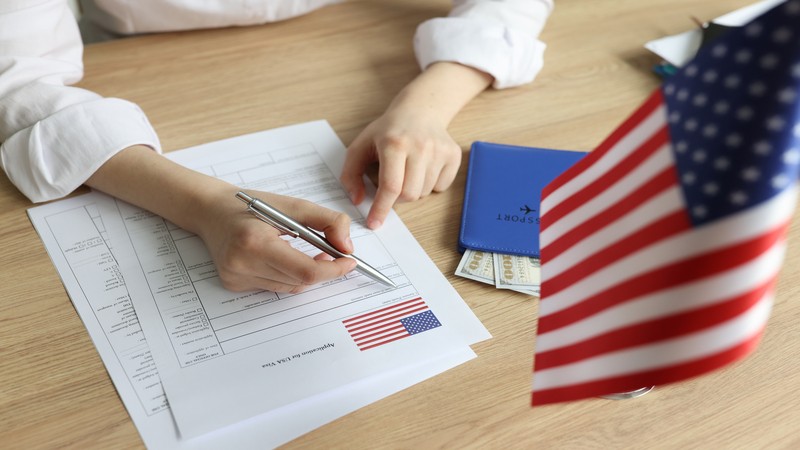
Every year, thousands of families from the home country face unexpected obstacles during the immigration process because they do not fully understand what needs to be prepared for permanent relocation to the United States. This common gap often leads to formal requests for supplemental evidence or forced rescheduling of crucial interview appointments simply due to a single missing document. To help you take proactive control of your preparation, First Consulting Group has compiled this definitive checklist, allowing you to clearly track every vital milestone before your departure.
What you need to prepare for permanent relocation to the United States depends heavily on the specific immigrant visa preference category you select. However, whether you are pursuing an employer-sponsored track, a family-based petition, or an investment pathway, all applicants must assemble a complete dossier that fulfills all relevant statutory evaluation standards. Biographical documents, certified financial records, objective proofs of relationship, and mandatory legal forms vary across different permanent residency tracks. Mastering these current guidelines from the very beginning ensures a smoother review process and reduces the risk of facing a frustrating request for supplemental evidence.
Beyond assembling a compliant document portfolio, applicants must master the administrative workflow of their case. Ordinarily, the petition is first submitted to U.S. Citizenship and Immigration Services (USCIS) for initial review, and upon approval, it transitions to the National Visa Center (NVC) to process required fees and evaluate the contractually binding financial underwriting documents. Once your file satisfies all statutory conditions, the NVC or the consulate will schedule your live interview at the U.S. Embassy or Consulate General. Understanding each unique administrative phase allows you to compile the required documents exactly when needed, eliminating unnecessary delays.
Your immigrant visa application package must be flawlessly compiled with the following primary and secondary records:
Form DS-260 (Immigrant Visa Electronic Application): Completed and submitted through the secure online portal of the National Visa Center, which processes civil records after the underlying petition is approved by USCIS.
A valid passport: Possessing an expiration date extending at least 6 months beyond your intended date of entry into the United States.
A certified birth certificate: Accompanied by 2 clear photocopies and a verified English translation containing a professional certification of accuracy.
An official police certificate: Issued by the appropriate national authority, showing a completely valid and unexpired status at the exact calendar date of your interview.
Form I-864 (Affidavit of Support): Signed contractually by your U.S.-based petitioner or joint financial sponsor, heavily backed by recent IRS tax transcripts and income verification records.
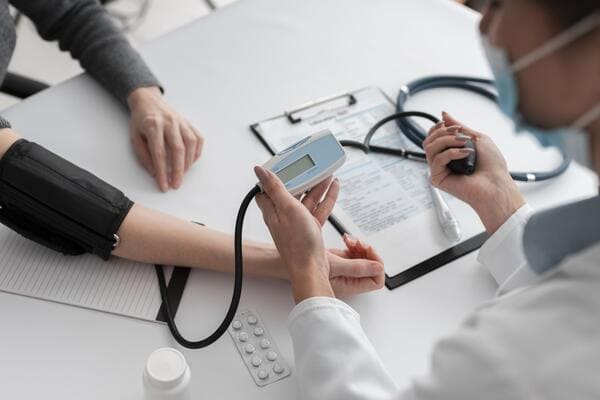
Official medical examination results: Sealed and generated by a licensed panel physician officially designated by the U.S. Embassy or Consulate General.
Your official interview appointment letter: Issued formally by the National Visa Center or the local diplomatic mission.
Omitting any single document from this checklist will cause your live immigrant interview to be immediately postponed. Building a complete dossier from day one protects you from unnecessary financial losses. Furthermore, depending on the unique variables of your case, the consulate may demand specialized secondary records.
The baseline conditions you must satisfy to secure an immigrant visa approval include:
Your sponsor must hold valid U.S. citizenship or Lawful Permanent Resident (LPR) status and demonstrate a stable household income that meets or exceeds the minimum Federal Poverty Guidelines.
Your application must align with standard family preference categories or employment tracks, which include common petitions for spouses, minor children, parents, biological siblings, or skilled corporate professionals. Each category operates under specific annual visual quotas and waiting lists mandated by federal immigration law.
The applicant must be free of any communicable diseases of public health significance and provide a verified record of completing all mandatory vaccinations.
You must present clear financial self-sufficiency to prove that the beneficiary will not become a public charge or a financial burden on the United States.
The applicant’s record must be completely free of serious criminal convictions or statutory offenses that trigger inadmissibility under federal immigration law. This operates as a strict disqualification parameter with zero exceptions.
Fluency in the English language is not a mandatory legal requirement during the immigrant visa application phase. However, possessing a basic grasp of everyday English will significantly elevate your interview delivery and help you assimilate much faster into local communities and workspaces after you arrive.
This comprehensive list covers vital civil documents, financial resources, and logical logistics that must be finalized before your flight:
Review your entire physical evidence portfolio and cross-check every record against the consulate’s official list.
Complete all mandatory medical screenings and receive your required vaccine boosters at the designated panel physician site.
Fund all immigrant processing fees mandated by USCIS and the National Visa Center.
Secure certified English translations for every foreign-language civil or professional document.
Closely monitor your priority date movements on the monthly Visa Bulletin and track all incoming consular notices.
Establish a robust financial reserve to fund your initial cost of living during your first few months of settlement.
Purchase your international flight itinerary to ensure you arrive within the validity window of your immigrant visa, which is normally capped at 6 months from your medical exam date.
Pack your international luggage strategically, prioritizing original civil documents, medical records, and vital personal items.
Keep your physical passport, unexpired immigrant visa foil, and primary sealed medical files in your carry-on luggage; never place these items in checked baggage.
Secure stable housing arrangements or verify your residential placement before your plane departs.
Prepare an accessible mix of liquid cash and unexpired international payment cards to handle initial expenses.
Store high-resolution digital copies of your entire immigration portfolio on a secure cloud storage platform.
Fully research U.S. Port of Entry procedures and familiarize yourself with customs declaration parameters.
Outline a clear plan to register for your Social Security Number (SSN) immediately upon arrival.
Frequently check your online case status portal after submission to capture any updates or alerts early.
Once your package is under active review, its status may change to indicate administrative processing, a request for supplemental evidence, or an interview ready status. Auditing your portal regularly allows you to capture automated alerts from the NVC or the consulate early. Omitting a request for supplemental evidence can delay your processing for several months beyond standard timelines.
Securing your physical U.S. immigrant visa foil inside your passport does not mean your preparation phase is completely over. Many independent applicants mistakenly relax during this transition phase, which often leads to severe procedural errors at the Port of Entry due to a lack of proper compliance screening.
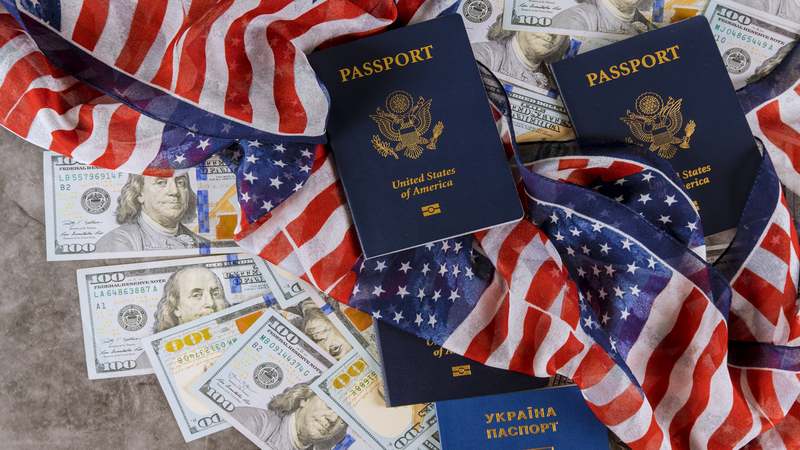
When you arrive at an international U.S. airport, officers from Customs and Border Protection (CBP) hold the absolute federal authority to audit your files and conduct a live interview. This agency enforces federal immigration laws at international borders and is solely responsible for verifying your lawful status before officially admitting you as a permanent resident. Keep the following strict parameters in mind:
Always carry your passport containing your unexpired immigrant visa foil and primary civil documents by hand; never place them in your checked luggage.
Respond under oath with absolute transparency and factual data when asked about your permanent relocation goals.
Legally declare all liquid cash, checks, or monetary instruments if the total aggregate sum exceeds $10,000 USD; failing to report these assets will result in immediate asset confiscation and federal penalties.
The physical stamp placed in your passport by the CBP officer (the temporary I-551 endorsement) acts as a valid temporary Green Card for up to 1 year while your physical card is manufactured and mailed to your registered address.
A catastrophic mistake that many unguided applicants commit is delaying their entry for too long. If you attempt to enter the U.S. more than 6 months after the issuance date of your immigrant visa, the visa foil is automatically rendered void. You must verify the exact expiration date printed on the foil before purchasing your flight ticket.
These essential administrative steps must be executed immediately upon your arrival to stabilize your long-term residency tracking:
Verify the physical arrival of your Lawful Permanent Resident card (Green Card) via secure mail at your pre-registered residential address.
Report to the nearest Social Security Administration (SSA) branch office to formally apply for and register your unique Social Security Number.
Open a local personal bank account, which strictly mandates presenting your unexpired identity documents, Social Security Number, or valid Port of Entry stamps.
Register your permanent residential address with the local municipality or update your address ledger with federal immigration registries within 10 days of moving.
Purchase a compliant health insurance policy that fits your household income bracket and family needs to avoid crippling medical debts.
Proactively initiate your U.S. credit history, as your domestic credit score serves as the primary metric used to secure long-term rental leases, access auto loans, or execute corporate contracts.
Preparing for a permanent life inside the United States requires managing advanced legal forms, cross-checking data across multiple federal portals, and executing precise settlement workflows. The experienced team at First Consulting Group has successfully guided thousands of families from the home country through every phase of this life-changing migration path. Contact our offices today to secure a professional evaluation of your case.
FOR A FREE CONSULTATION, PLEASE CALL:
– Hotline: (877) 348-7869
– Garden Grove Office: (714) 638-3111
– San Jose Office: (408) 998-5555
– Houston Office: (832) 353-3535
– Vietnam Office: (028) 3516-2118
Disclaimer: All information provided in this document is intended for general informational purposes only and does not constitute formal legal advice. Statistical data and processing timelines reflect the public records available at the time of publication. For precise legal assessments, please schedule a direct consultation with First Consulting Group.
Top Articles
The U.S. immigration process can be intricate, involving detailed legal requirements and procedures. To better address your unique situation, please provide your contact details to arrange a personalized consultation. A member of First Consulting Group’s dedicated team will contact you during business hours to offer expert guidance.

USA
12966 Euclid St., Suite 520, Garden Grove, CA 92840
(714) 638-3111
USA
989 Story Rd., Suite 8075, San Jose, CA 95122
(408) 998-5555
USA
1880 S Dairy Ashford Rd Ste 539, Houston, TX 77077
(832) 353-3535
VIETNAM
8th Floor, Tuoi Tre Tower, 60A Hoang Van Thu St., Duc Nhuan Ward, SaiGon
(028) 3516-2118
VIETNAM
5th Floor, Bao Minh Building, 08 Phan Van Tri St., Ninh Kieu Ward, Can Tho City
(0292) 383-0001
VIETNAM
5th Floor, Viettel Building, 11 Ly Thuong Kiet St., Thuan Hoa Ward, Hue City
(0234) 381-0016
VIETNAM
6th Floor, ACB Building, 218 Bach Dang St., Hai Chau Ward, Da Nang City
0886 00 34 00