U.S. TO MAKE VISA BOND PROGRAM PERMANENT FOR APPLICANTS FROM DOZENS OF COUNTRIES
minhle
News
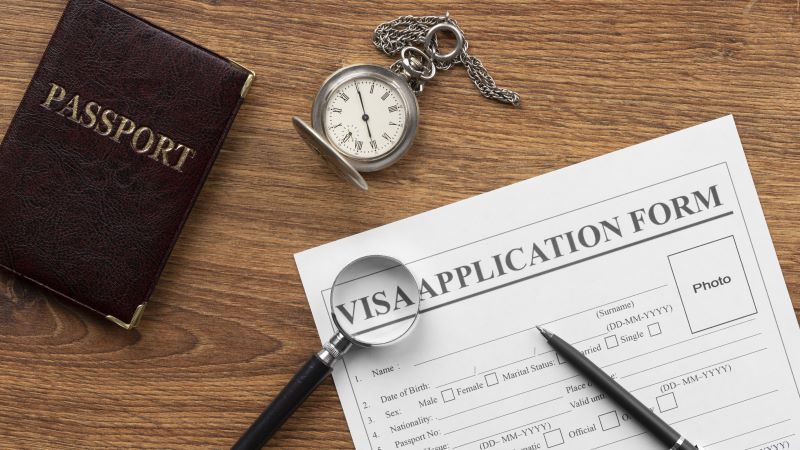
When a visa expires, many individuals worry that they will have to apply for their U.S. visa completely from scratch or undergo another stressful interview at the Consulate. In reality, the current visa renewal process has become much more straightforward, specifically through mail-in or electronic submission channels if you satisfy the necessary eligibility criteria. First Consulting Group—a law firm specializing in immigration within the global community—explains the explicit conditions, required documentation checklist, and vital steps to prevent a visa refusal or a request for additional evidence.
To qualify for an interview waiver under the U.S. visa renewal program, applicants must meet strict statutory criteria established by the U.S. Department of State. These guidelines determine whether an application dossier can be processed via mail without an in-person consular appearance. Understanding these parameters ensures you prepare a compliant application from the very beginning.
The prior visa is either still valid or expired within the past 12 months (the previous 48-month extension policy has been formally revoked).
The applicant is applying to renew a visa within the exact same visa classification.
The prior visa was issued in the same country of nationality or usual residence where the renewal application is being submitted.
The applicant has no history of a U.S. visa refusal in their most recent application, and has never violated the terms of stay in the United States.
The applicant does not require a special legal waiver of ineligibility under Section 214(b) or other immigration codes.
A frequent inquiry among applicants is exactly how long a U.S. visa can be expired while remaining eligible for a mail-in renewal. The 12-month expiration rule is enforced strictly. If your visa has been expired for more than 12 months, you are legally required to schedule a standard, in-person visa interview.
As a general framework, most nonimmigrant visa classifications are eligible for renewal at a U.S. Embassy or Consulate. However, based on your specific immigration profile, the workflow is strictly divided into two distinct processing pathways:
You may bypass the in-person interview requirement if you satisfy the following standard criteria:
For Visitor Visas (B1, B2, or B1/B2): The visa must have been issued for its maximum validity period, be currently valid or expired for no more than 12 months, and the applicant must have been at least 18 years old at the time of that prior visa’s issuance.
Official or Diplomatic Classifications: Applicants seeking renewal for visa symbols A-1, A-2, G-1 to G-4, NATO-1 to NATO-6, TECRO E-1, or C-3 (excluding personal employees, attendants, or domestic servants of accredited officials).
The applicant was never refused a U.S. visa in their last application (unless the refusal was subsequently overcome or legally waived).
The applicant has a clean immigration record with no history of unauthorized stays or immigration law violations in the U.S.
The applicant’s primary biographical data (full name, date of birth, nationality) has not undergone significant changes.
The applicant physically possesses the original passport containing the prior U.S. visa.
The applicant had their 10-fingerprint biometric data captured during the previous visa issuance.
The application is submitted within the consular district of the applicant’s lawful residence.
The physical visa foil must be completely intact—not damaged, defaced, lost, stolen, or revoked by immigration authorities.
You must schedule a regular, live interview with a consular officer if your application falls under any of these scenarios:
Your prior visa has been expired for more than 12 months.
You are changing your underlying visa classification (e.g., transitioning from a B-1/B-2 Tourist visa to an F-1 Student visa or an H-1B Employment visa).
You possess a history of a recent visa refusal or a complex immigration background.
There are indications of a potential overstay or a violation of your authorized duration of stay during a prior U.S. visit.
The consular section determines that your case requires deeper administrative vetting or background screening.
Note: While the mail-in program simplifies the submission process for certain individuals, it is not an automatic guarantee of visa issuance. Consular officers retain full statutory authority to mandate an in-person interview on a case-by-case basis for any reason.
Meticulously compiling your renewal portfolio ensures a high success rate and prevents lengthy processing backlogs caused by Requests for Evidence (RFEs). Your application package must contain both mandatory forms and secondary supporting documentation tailored to your specific case.
A current passport with a minimum validity of 6 months extending beyond your planned stay.
The original physical passport containing your prior U.S. visa (copies are strictly rejected) for mail-in processing.
The printed confirmation page of your electronically submitted Form DS-160.
A physical visa photograph meeting the exact formatting standards of the U.S. Department of State.
Submit only requested documents: Applicants should only include the strictly mandatory documents listed in their confirmation letter. Extraneous or unsolicited paperwork may be permanently destroyed by the processing center and will not be returned to you.
Passport availability: Only submit your passport when you are fully prepared for it to be held during the administrative review phase. You will be unable to access it for international travel or business trips while your application is pending.
Travel logistics caution: Never purchase non-refundable airline tickets or finalize firm travel itineraries prior to having the physical, renewed visa foil in your hands.
Understanding each operational phase of the visa application process prevents costly errors and ensures you maintain a continuous lawful status.
Step 1: Complete and electronically submit Form DS-160 on the official consular website.
Step 2: Log into your profile on the U.S. Visa Scheduling portal to initiate the renewal tracking process.
Step 3: Generate the fee deposit slip and pay the mandatory machine-readable visa (MRV) fee through a designated bank or digital portal. Double-check your visa tier and fee totals before executing the transaction, as the renewal fee is strictly non-refundable.
Step 4: Answer the online screening questions completely. If your profile qualifies for an interview waiver, the portal will generate an official Mail-in/Interview Waiver Confirmation Letter.
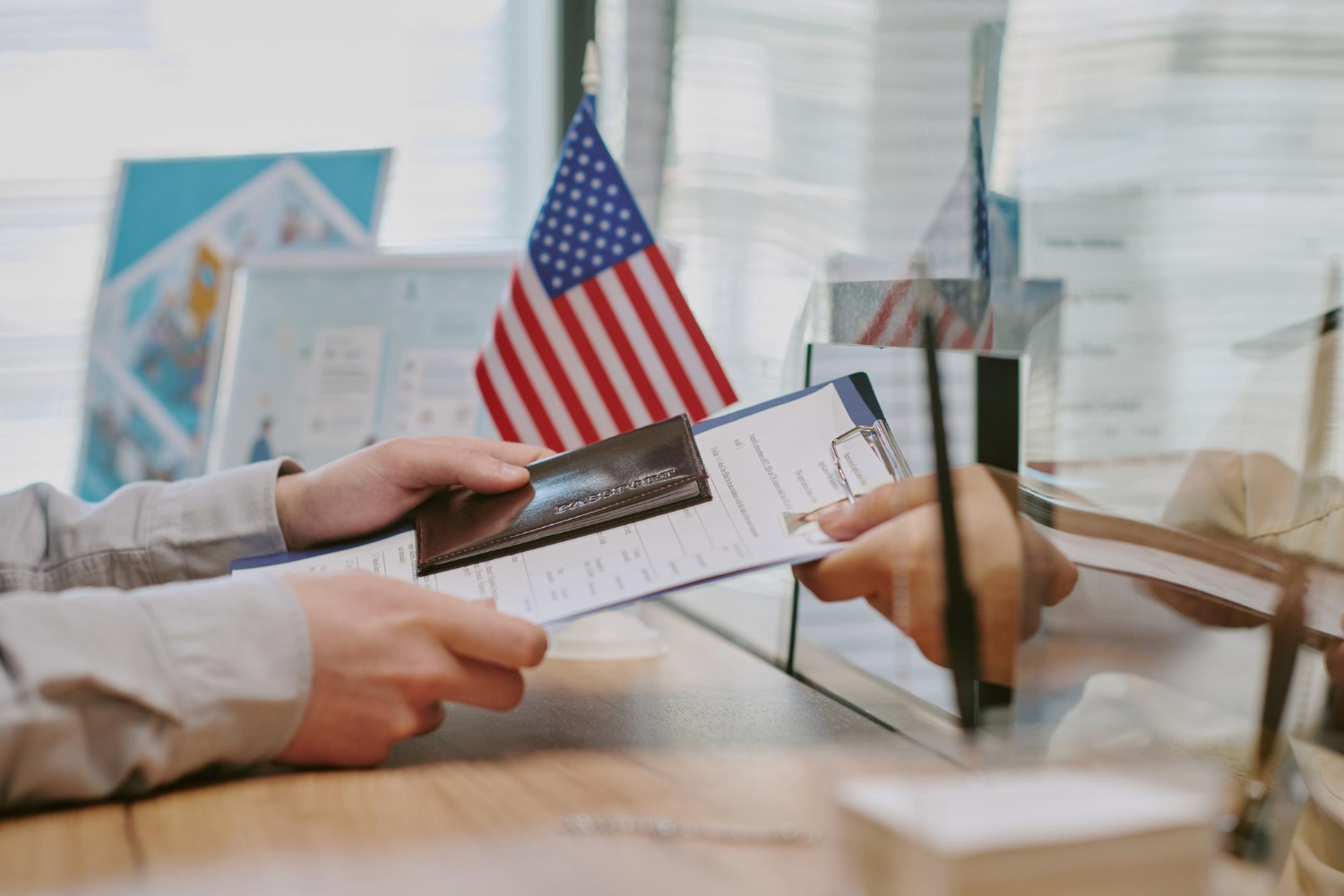
Step 5: Package your physical dossier (Form DS-160 confirmation, current and old passports, compliant photos, and the waiver confirmation letter) and drop it off at an authorized courier location or designated local postal service as specified in your confirmation package.
Step 6: Monitor your application status via the CEAC tracking system. Once approved, your passport containing the renewed visa foil will be dispatched securely to your registered delivery address.
The overall processing timeline fluctuates based on seasonal consular volume, your specific visa classification, and whether your file triggers an administrative review.
Standard cases: 7 to 14 business days (excluding national holidays, weekends, and courier transit timelines).
Cases requiring documentation updates: 3 to 4 weeks if a consular officer issues an email request for supplemental data or clarifications.
Complex cases or extended administrative screening: 60 days to several months depending on the depth of the background check required.
Strategic tip: During peak travel seasons (typically May through August and the winter holidays), wait times can escalate due to a surge in applications. To protect your upcoming travel plans, execute your visa renewal procedure at least 3 months prior to your intended departure date.
If you require supplementary guidance on U.S. visa renewals, family sponsorship petitions, or complex immigration files, contact First Consulting Group today. Our dedicated legal specialists are ready to provide tailored solutions for your case.
FOR A FREE CONSULTATION, PLEASE CALL:
– Hotline: (877) 348-7869
– Garden Grove Office: (714) 638-3111
– San Jose Office: (408) 998-5555
– Houston Office: (832) 353-3535
– Vietnam Office: (028) 3516-2118
Disclaimer: All information provided in this document is intended for general informational purposes only and does not constitute formal legal advice. Statistical data and processing timelines reflect the public records available at the time of publication. For precise legal assessments, please schedule a direct consultation with First Consulting Group.
Top Articles
The U.S. immigration process can be intricate, involving detailed legal requirements and procedures. To better address your unique situation, please provide your contact details to arrange a personalized consultation. A member of First Consulting Group’s dedicated team will contact you during business hours to offer expert guidance.

USA
12966 Euclid St., Suite 520, Garden Grove, CA 92840
(714) 638-3111
USA
989 Story Rd., Suite 8075, San Jose, CA 95122
(408) 998-5555
USA
1880 S Dairy Ashford Rd Ste 539, Houston, TX 77077
(832) 353-3535
VIETNAM
8th Floor, Tuoi Tre Tower, 60A Hoang Van Thu St., Duc Nhuan Ward, SaiGon
(028) 3516-2118
VIETNAM
5th Floor, Bao Minh Building, 08 Phan Van Tri St., Ninh Kieu Ward, Can Tho City
(0292) 383-0001
VIETNAM
5th Floor, Viettel Building, 11 Ly Thuong Kiet St., Thuan Hoa Ward, Hue City
(0234) 381-0016
VIETNAM
6th Floor, ACB Building, 218 Bach Dang St., Hai Chau Ward, Da Nang City
0886 00 34 00