
What is required to build a quality EB-2 NIW project? 4 crucial characteristics to note
minhle
EB-2 NIW Visa

A U.S. visa photo that fails to meet the strict standards enforced by U.S. Citizenship and Immigration Services (USCIS) is one of the most common errors that triggers Requests for Evidence (RFEs), resulting in substantial delays, extra costs, and wasted time. This photo is a critical biometric element utilized by both the U.S. Consulate and USCIS for facial recognition and security database cross-referencing throughout the adjudication lifecycle. First Consulting Group—a leading immigration services firm—has compiled the exhaustive requirements that every application for B1/B2 tourist visas, F1 student visas, H-1B specialty occupation visas, or immigrant visas must strictly satisfy.
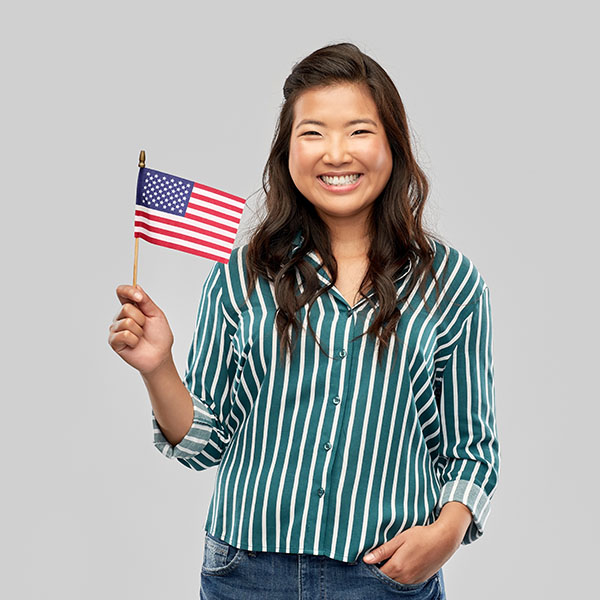
According to USCIS and Department of State (DOS) regulations, a U.S. visa photo is a mandatory biometric requirement submitted via Form DS-160 and within the physical application package. Distinct from standard passport photographs, this facial identification image must satisfy rigid technical parameters regarding head-to-photo ratios, eye positioning, the vertical distance from the top of the head to the chin, and general image resolution for automated scanning networks.
USCIS and the U.S. Consulate utilize this biometric data continuously from the initial intake and background security screening phases through to the formal visa interview. If the image fails to meet these automated identification standards, the system may reject the filing or demand a replacement package.
Consequently, applicants risk losing their scheduled interview appointments, incurring additional processing fees, and facing prolonged processing backlogs.
Frequently asked questions:
The automated photo screening systems used by USCIS operate via complex facial recognition algorithms. When a visa photo is flagged for non-compliance, the underlying petition is systemically marked as deficient, creating an immediate negative indicator on the case file.
Common evidentiary errors leading to photo invalidation:
Many applicants face processing rejections without understanding the root cause. Upon secondary audits, it is frequently discovered that while the physical photo appeared correct, the digital file became compressed or distorted during the portal upload.
This underscores why a thorough technical verification is vital prior to submission. A minor formatting error can cost you the application, forfeit paid fees, and force you to secure a new interview slot—a devastating outcome during peak seasons when consular appointment backlogs span several months.
These criteria extend beyond mere technical formatting; they are direct regulatory mandates. Submitting a non-compliant image is legally viewed as a failure to meet filing prerequisites, directly impeding identity verification and eligibility processing. Therefore, ensuring perfect compliance with biometric recognition standards is an absolute operational requirement within the consular data management system.
Physical dimensions and file formatting
Facial proportions and alignment
Background and lighting composition
Attire and personal accessories
The photograph must be captured within the 6-month window immediately preceding the formal filing date.
These rules are hardcoded into the digital Form DS-160 processing architecture, and any deviation will cause the automated system to reject the online submission.
| Visa category | Special photo requirements | Data scrutiny & file audit level |
| B1/B2 Tourist Visa | Standard USCIS specifications (strictly enforced) | Moderate |
| F1 Student Visa | Standard USCIS specifications + SEVIS verification linkage | High |
| H-1B Work Visa | Standard USCIS specifications + Employer file cross-referencing | Very High |
| Immigrant Visas (IR, EB, etc.) | Standard USCIS specifications + Expanded biometric indexing | Most Stringent |
| K-1/K3 Spousal Visas | Standard USCIS specifications + Relationship file verification | Very High |
This comparative data demonstrates that biometric photo audits scale in intensity based on the sought visa classification. Immigrant visa petitions and family reunification categories undergo the highest level of scrutiny due to the long-term residency rights they confer.
In practice, individual case profiles experience varying degrees of technical enforcement. While a tourist visa photo error may trigger a straightforward, early correction notice, student or immigrant categories are classified as high-sensitivity files, requiring flawless biometric compliance from day one.
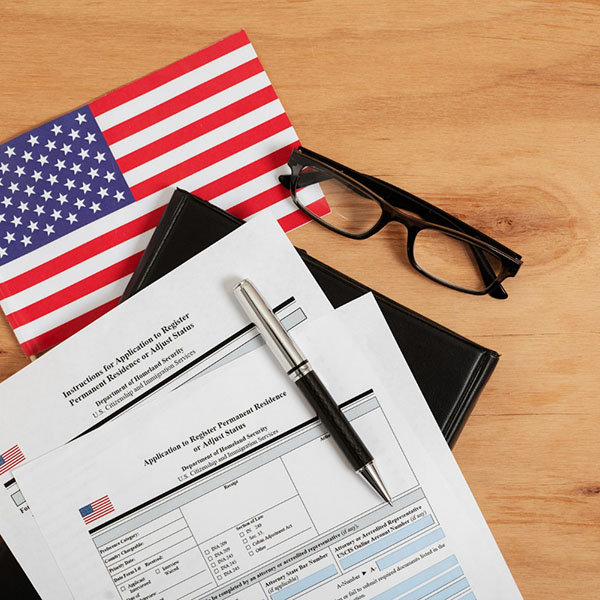
To guarantee that your immigration application is not delayed due to biometric non-compliance, mastering the capture methodology and verification process is an indispensable step. Many applicants debate whether to capture the image independently or retain a professional studio—each option possesses operational trade-offs that require careful evaluation.
You can either take your U.S. visa photo at home or hire a professional studio; each option has its own advantages and disadvantages.
Independent home capture
Professional studio procurement
We strongly recommend procuring professional studio services for all high-stakes immigration files. The minor upfront investment is negligible compared to the severe downstream costs of a delayed or rejected petition.
Prior to executing a digital upload into the Form DS-160 portal, applicants must carefully audit the following technical and substantive elements:
Technical verification checklist
Substantive content checklist
Final pre-submission action checklist:
When errors are caught late, applicants frequently question how to modify images or execute post-submission application updates. Because each scenario requires a distinct administrative correction pathway depending on the stage of adjudication, securing accurate guidance is vital to prevent compounding the error.
Our immigration services firm routinely receives requests for case rescue services following an administrative rejection. A significant percentage of these procedural disruptions stem directly from basic biometric photo defects. Allocating the necessary time to rigorously verify your documents at the outset preserves your capital and accelerates your immigration path.
Your U.S. visa photo is a foundational element that dictates whether your case passes initial portal intake. Both USCIS and the Department of State enforce uncompromising benchmarks governing size, facial composition, background purity, and pixel integrity.
You must master these parameters and carefully audit your file before uploading it to Form DS-160. A single overlooked metric can result in immediate rejection at the initial screening phase.
If you require comprehensive file reviews, legal guidance on family-sponsored petitions, or support with intricate immigration pathways, contact First Consulting Group. Our team of seasoned immigration professionals provides dedicated, customized case strategies to guide you safely through every step of your U.S. immigration journey.
FOR A FREE CONSULTATION, PLEASE CALL:
– Hotline: (877) 348-7869
– Garden Grove Office: (714) 638-3111
– San Jose Office: (408) 998-5555
– Houston Office: (832) 353-3535
– Vietnam Office: (028) 3516-2118
Disclaimer: All information provided in this document is intended for general informational purposes only and does not constitute formal legal advice. Statistical data and processing timelines reflect the public records available at the time of publication. For precise legal assessments, please schedule a direct consultation with First Consulting Group.
Top Articles

The U.S. immigration process can be intricate, involving detailed legal requirements and procedures. To better address your unique situation, please provide your contact details to arrange a personalized consultation. A member of First Consulting Group’s dedicated team will contact you during business hours to offer expert guidance.

USA
12966 Euclid St., Suite 520, Garden Grove, CA 92840
(714) 638-3111
USA
989 Story Rd., Suite 8075, San Jose, CA 95122
(408) 998-5555
USA
1880 S Dairy Ashford Rd Ste 539, Houston, TX 77077
(832) 353-3535
VIETNAM
8th Floor, Tuoi Tre Tower, 60A Hoang Van Thu St., Duc Nhuan Ward, SaiGon
(028) 3516-2118
VIETNAM
5th Floor, Bao Minh Building, 08 Phan Van Tri St., Ninh Kieu Ward, Can Tho City
(0292) 383-0001
VIETNAM
5th Floor, Viettel Building, 11 Ly Thuong Kiet St., Thuan Hoa Ward, Hue City
(0234) 381-0016
VIETNAM
6th Floor, ACB Building, 218 Bach Dang St., Hai Chau Ward, Da Nang City
0886 00 34 00