
DHS issues final rule changing admission period for foreign students and exchange visitors
minhle
News
Whether a US family visitation tour or independent travel is more favorable is a common question for many individuals preparing to visit relatives in the United States, especially those applying for a B1/B2 visa for the first time. First Consulting Group (FCG) – A US Immigration Law Firm with years of experience in providing immigration counsel, suggests that each option has its own advantages and disadvantages. The optimal choice depends on the applicant’s ability to process administrative procedures, their confidence in English communication, and their prior international travel experience. Understanding the differences between these two modes of travel helps you prepare correctly from the outset and minimizes risks during the visa application process as well as at the Port of Entry.
To choose between an all-inclusive US family visitation tour and independent travel, you must carefully consider your personal needs, international travel experience, and the desired level of assistance throughout the journey. Each format possesses specific pros and cons, catering to different groups of travelers. Clearly understanding these distinctions will assist you in making an appropriate decision, ensuring that your family visit to the US is smooth, safe, and meets your expectations.
Taking a guided tour is a safe option for first-time visitors to the US, the elderly, or multi-generational families. You will receive assistance in completing Form DS-160 (Nonimmigrant Visa Application), interview preparation, a well-defined itinerary, and on-the-ground support at the airport—significantly reducing stress during administrative procedures. The disadvantages are higher costs and less flexibility.
Independent travel is suitable for individuals with international travel experience, strong English proficiency, and a desire for schedule flexibility. You can proactively select your flights, accommodations, and length of stay. However, you must independently handle all immigration procedures and communicate directly with U.S. Customs and Border Protection (CBP) officers.
Upon landing at a US airport for the first time, elderly travelers, those who rarely travel abroad, or those not confident in English often feel anxious. The vast spaces, English-only signage, and fast-paced movement can be overwhelming. Upon reaching the immigration area, they may become confused about which line to join or fail to catch the instructions given by the officers. The fear of answering questions incorrectly further adds to their psychological stress. Having a companion or receiving support right from the point of entry makes the family visitation journey much smoother and provides peace of mind.
| Format | Suitable For | Key Characteristics |
| Family Visitation Tour | • Elderly individuals
• Multi-generational families • Applicants with weak visa profiles or interview anxiety |
• Assistance with Form DS-160 and interviews
• Clear itineraries • Airport assistance provided • Limited schedule flexibility |
| Independent Travel | • Individuals with international travel experience
• Those wanting flexible planning • Good English communication skills |
• Proactive itinerary management
• Independent handling of immigration procedures • Suitable for longer stays |
Considerations When Choosing a US Travel Tour
To avoid fraudulent schemes, you should select a company with a valid international tour operator license issued by a competent authority, along with a transparent contract detailing the scope of support and refund policies. These are the two most crucial indicators for evaluating a reputable travel agency.
The cost of a US travel program combined with family visitation varies depending on the travel dates and service packages. Although round-trip airfare, hotel accommodations, and transportation are typically included, you should still account for incidental expenses such as visa fees, peak-season surcharges, or out-of-pocket costs outside the itinerary to proactively manage your budget.
Independent travel is suitable for individuals who already possess international travel experience, can confidently communicate in basic English, and wish to proactively manage their entire itinerary. You can flexibly choose your flights, accommodations near your relatives, and length of stay according to personal needs, which is particularly convenient if you plan to travel across multiple states.
However, this format requires meticulous preparation regarding information, evidence of financial support for the US tourist visa, and consistency throughout the entire journey. You must self-complete Form DS-160, schedule your interview, and clearly articulate the purpose of your trip. Upon entry, CBP officers typically verify information such as your residential address in the US, the relatives you are visiting, your intended length of stay, and your return plans. This information must precisely match the details previously declared.
Furthermore, you must independently arrange your airfare, accommodations, and travel insurance, while proactively handling any unexpected situations such as itinerary changes, delayed flights, or secondary inspections at the airport. Therefore, independent travel is suited for individuals capable of thorough preparation and flexible problem-solving in an international environment.
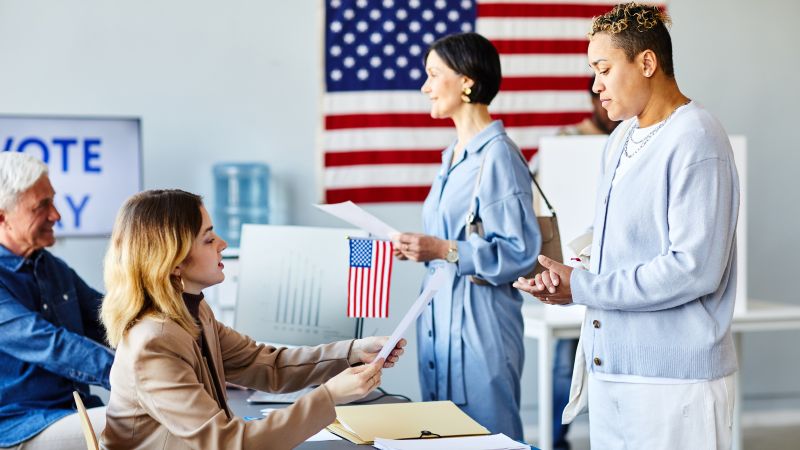
TSA (Transportation Security Administration) is the aviation security agency that screens luggage and passengers before boarding.
CBP (U.S. Customs and Border Protection) is the agency that will interview you upon entry and determine your admissibility into the United States.
If you cannot hear clearly, you should politely ask the customs officer to repeat the question.
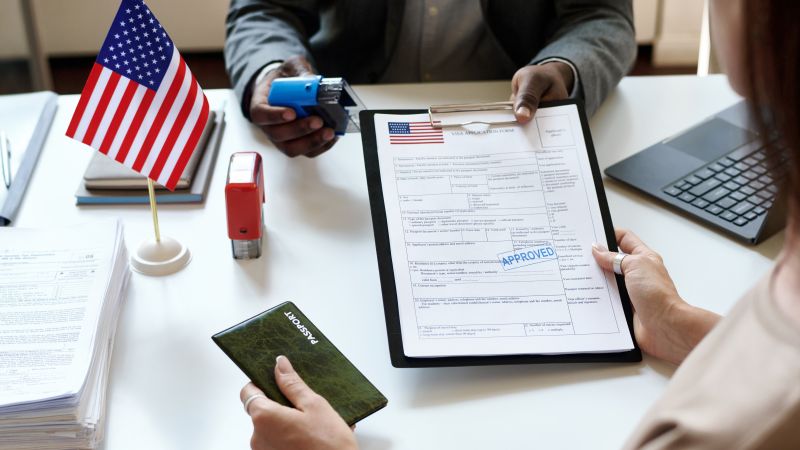
There are no regulations from USCIS or US Consulates stating that visiting relatives multiple times, frequently traveling to the US, or previously holding an entry visa will strengthen a family-based immigrant petition or expedite its processing.
The immigrant petition adjudication process is absolutely not based on travel frequency. Instead, it evaluates the qualifying relationship, the financial capacity of the petitioner, security and background checks, and the level of honesty demonstrated throughout the entire application process.
All of these infractions can adversely affect future immigrant visa petitions.
Our team of immigration attorneys advises that you should reconsider traveling to the US on a tourist visa if your immigrant petition is nearing its processing date. When there is a lack of clear, binding ties to your home country, departing at this juncture increases the likelihood of CBP suspecting you intend to immigrate earlier than scheduled. If you have previously been denied a visa or encountered adverse information during entry, a pending immigrant petition could be significantly jeopardized.
If you require further clarification regarding short-term visas, US family visitation tours, or the latest immigration regulations, First Consulting Group (FCG) – A US Immigration Law Firm is always ready to assist you with clear and reliable information prior to every trip.
FOR A FREE CONSULTATION, PLEASE CALL:
– Hotline: (877) 348-7869
– Garden Grove Office: (714) 638-3111
– San Jose Office: (408) 998-5555
– Houston Office: (832) 353-3535
– Vietnam Office: (028) 3516-2118
Disclaimer: All information provided in this document is intended for general informational purposes only and does not constitute formal legal advice. Statistical data and processing timelines reflect the public records available at the time of publication. For precise legal assessments, please schedule a direct consultation with First Consulting Group.
Top Articles

The U.S. immigration process can be intricate, involving detailed legal requirements and procedures. To better address your unique situation, please provide your contact details to arrange a personalized consultation. A member of First Consulting Group’s dedicated team will contact you during business hours to offer expert guidance.

USA
12966 Euclid St., Suite 520, Garden Grove, CA 92840
(714) 638-3111
USA
989 Story Rd., Suite 8075, San Jose, CA 95122
(408) 998-5555
USA
1880 S Dairy Ashford Rd Ste 539, Houston, TX 77077
(832) 353-3535
VIETNAM
8th Floor, Tuoi Tre Tower, 60A Hoang Van Thu St., Duc Nhuan Ward, SaiGon
(028) 3516-2118
VIETNAM
5th Floor, Bao Minh Building, 08 Phan Van Tri St., Ninh Kieu Ward, Can Tho City
(0292) 383-0001
VIETNAM
5th Floor, Viettel Building, 11 Ly Thuong Kiet St., Thuan Hoa Ward, Hue City
(0234) 381-0016
VIETNAM
6th Floor, ACB Building, 218 Bach Dang St., Hai Chau Ward, Da Nang City
0886 00 34 00