U.S. TO MAKE VISA BOND PROGRAM PERMANENT FOR APPLICANTS FROM DOZENS OF COUNTRIES
minhle
News
U.S. Citizenship and Immigration Services (USCIS) has officially updated its policy regarding evidentiary standards, introducing a critical change that all applicants must navigate carefully. From August 5, 2026, if an application fails to demonstrate eligibility or lacks mandatory initial evidence, USCIS officers now hold the authority to issue an immediate denial without first sending a Request for Evidence (RFE) or a Notice of Intent to Deny (NOID). This update from First Consulting Group will break down the new rule, evaluate your risks, and guide you on submitting a fully compliant petition.
The U.S. immigration system has entered a new phase of heightened regulatory scrutiny across all petition types. Under the policy effective August 5, 2026, USCIS places full responsibility on applicants to establish complete legal eligibility at the time of initial filing.
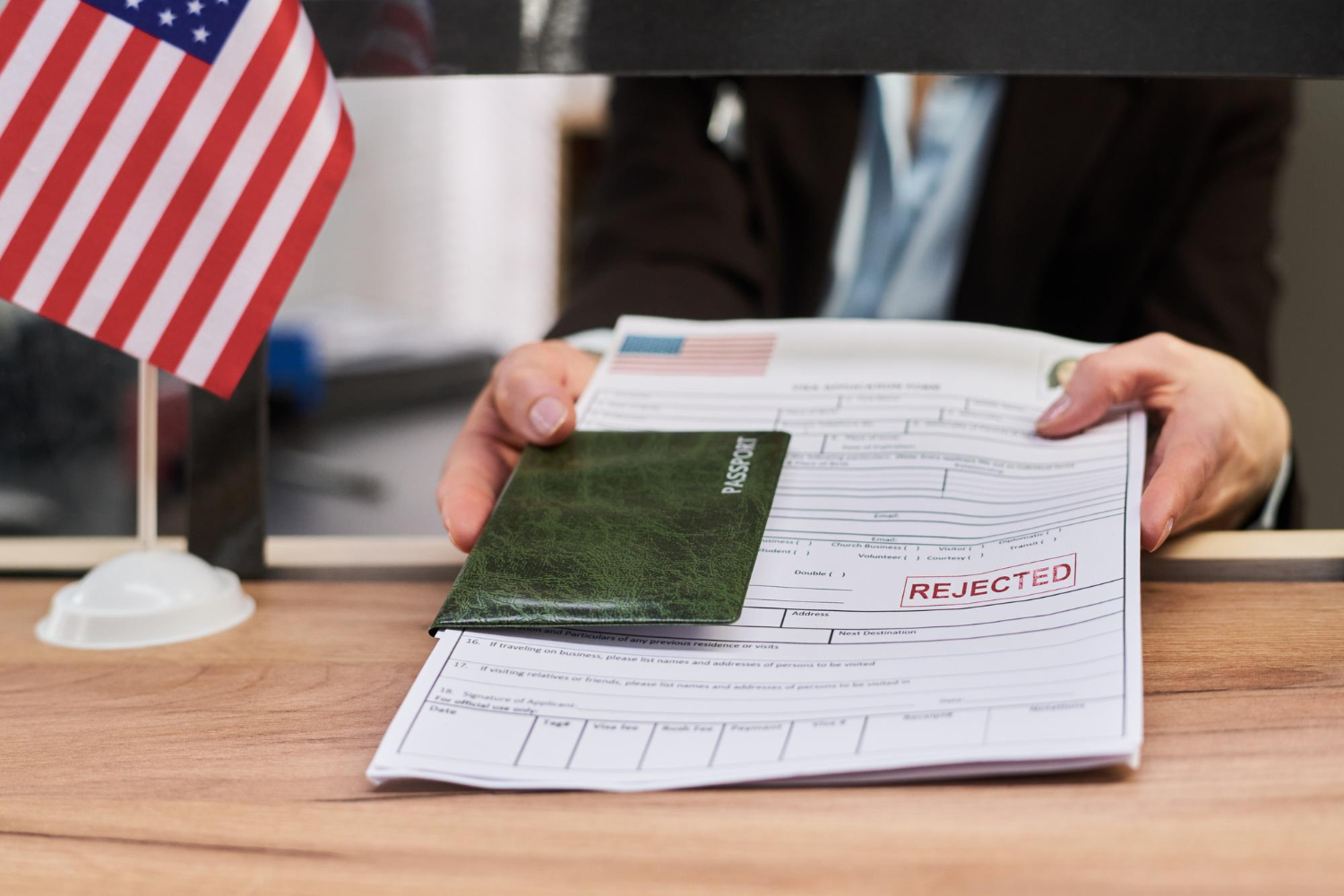
If a submitted package lacks required initial documentation outlined in the form instructions, adjudicating officers may deny the petition outright. This marks a definitive end to the “file now, submit evidence later” approach previously relied upon by many applicants.
According to official statements from USCIS, this update aligns adjudication standards with Department of Homeland Security (DHS) legal authority while improving operational efficiency. Federal authorities noted that submitting incomplete petitions simply to hold a filing date – then waiting for an RFE to supply missing evidence – has severely clogged processing queues.
An RFE is traditionally issued when USCIS requires additional clarification. In the past, applicants viewed RFEs as a safety net or a second chance to complete their record. However, the new policy clarifies that RFEs are no longer a guaranteed step. Adjudicators can bypass RFEs entirely if initial submissions are fundamentally deficient.

This updated policy took effect immediately on August 5, 2026, and applies to both pending cases and new filings. Important distinction: Missing a minor document does not trigger an automatic 100% denial rate.
USCIS is not mandating automatic rejections for every small oversight. Rather, the policy restores discretionary power to officers to deny incomplete cases directly when core evidence is missing.
This shift impacts all immigration categories, from family-based and employment petitions to EB-5 investor filings:
This policy shift places immense pressure on petition completeness from day one. Receiving a direct denial without an opportunity to respond via RFE or NOID results in lost filing fees, severe processing delays, and potential complications for future immigration filings. Applicants can no longer assume USCIS will issue a reminder for missing paperwork; every required document must be included in the initial submission.
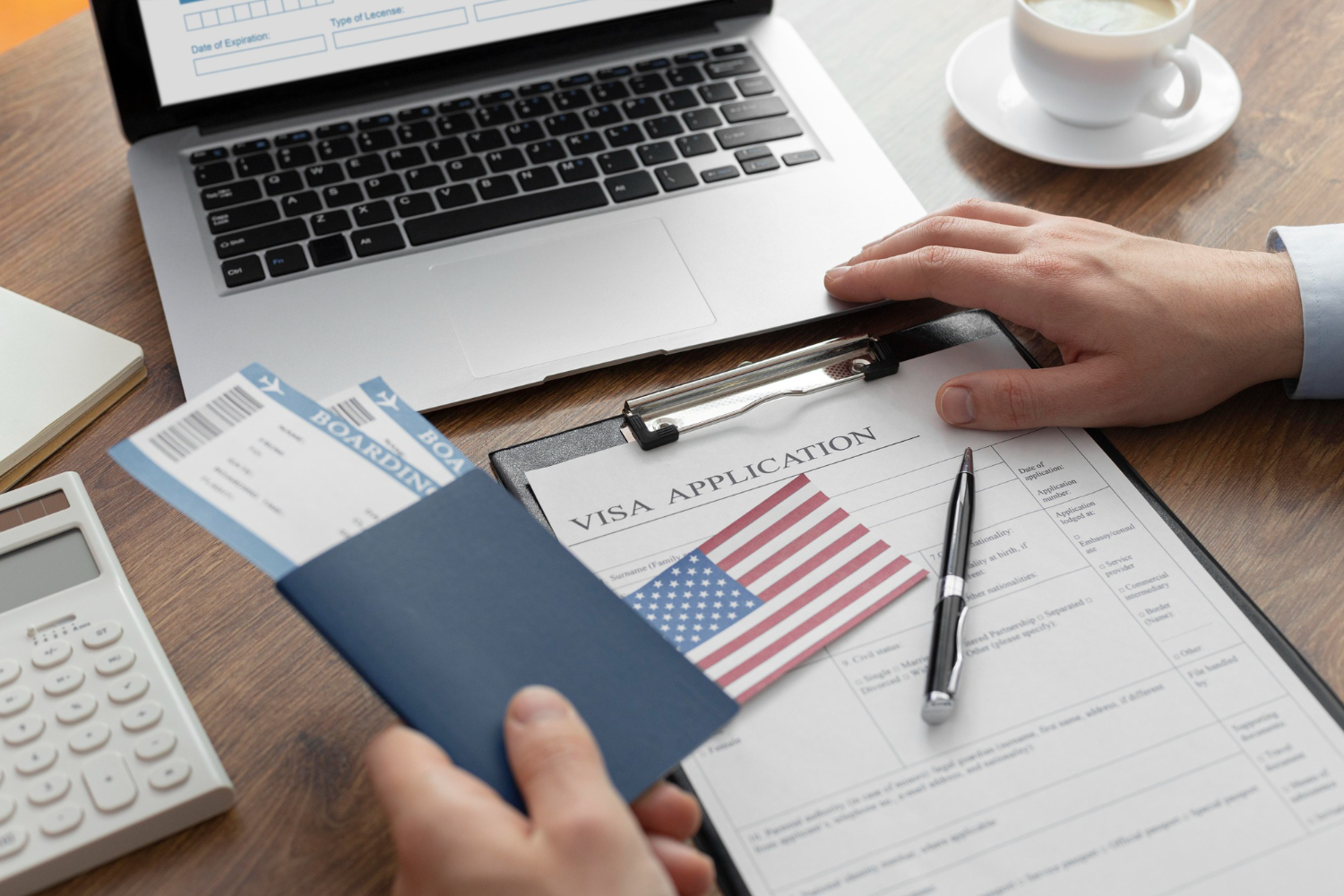
As USCIS tightens adjudication standards, submitting a successful petition requires complete, decision-ready evidence upon initial filing.
To protect your immigration goals, First Consulting Group advises taking the following steps:
FOR A FREE CONSULTATION, PLEASE CALL:
– Hotline: (877) 348-7869
– Garden Grove Office: (714) 638-3111
– San Jose Office: (408) 998-5555
– Houston Office: (832) 353-3535
– Vietnam Office: (028) 3516-2118
Disclaimer: This content is provided for general informational purposes only and does not constitute formal legal advice. Immigration policies and regulations are subject to frequent changes. Please consult an immigration attorney for an evaluation based on your specific circumstances.
Top Articles

The U.S. immigration process can be intricate, involving detailed legal requirements and procedures. To better address your unique situation, please provide your contact details to arrange a personalized consultation. A member of First Consulting Group’s dedicated team will contact you during business hours to offer expert guidance.

USA
12966 Euclid St., Suite 520, Garden Grove, CA 92840
(714) 638-3111
USA
989 Story Rd., Suite 8075, San Jose, CA 95122
(408) 998-5555
USA
1880 S Dairy Ashford Rd Ste 539, Houston, TX 77077
(832) 353-3535
VIETNAM
8th Floor, Tuoi Tre Tower, 60A Hoang Van Thu St., Duc Nhuan Ward, SaiGon
(028) 3516-2118
VIETNAM
5th Floor, Bao Minh Building, 08 Phan Van Tri St., Ninh Kieu Ward, Can Tho City
(0292) 383-0001
VIETNAM
5th Floor, Viettel Building, 11 Ly Thuong Kiet St., Thuan Hoa Ward, Hue City
(0234) 381-0016
VIETNAM
6th Floor, ACB Building, 218 Bach Dang St., Hai Chau Ward, Da Nang City
0886 00 34 00