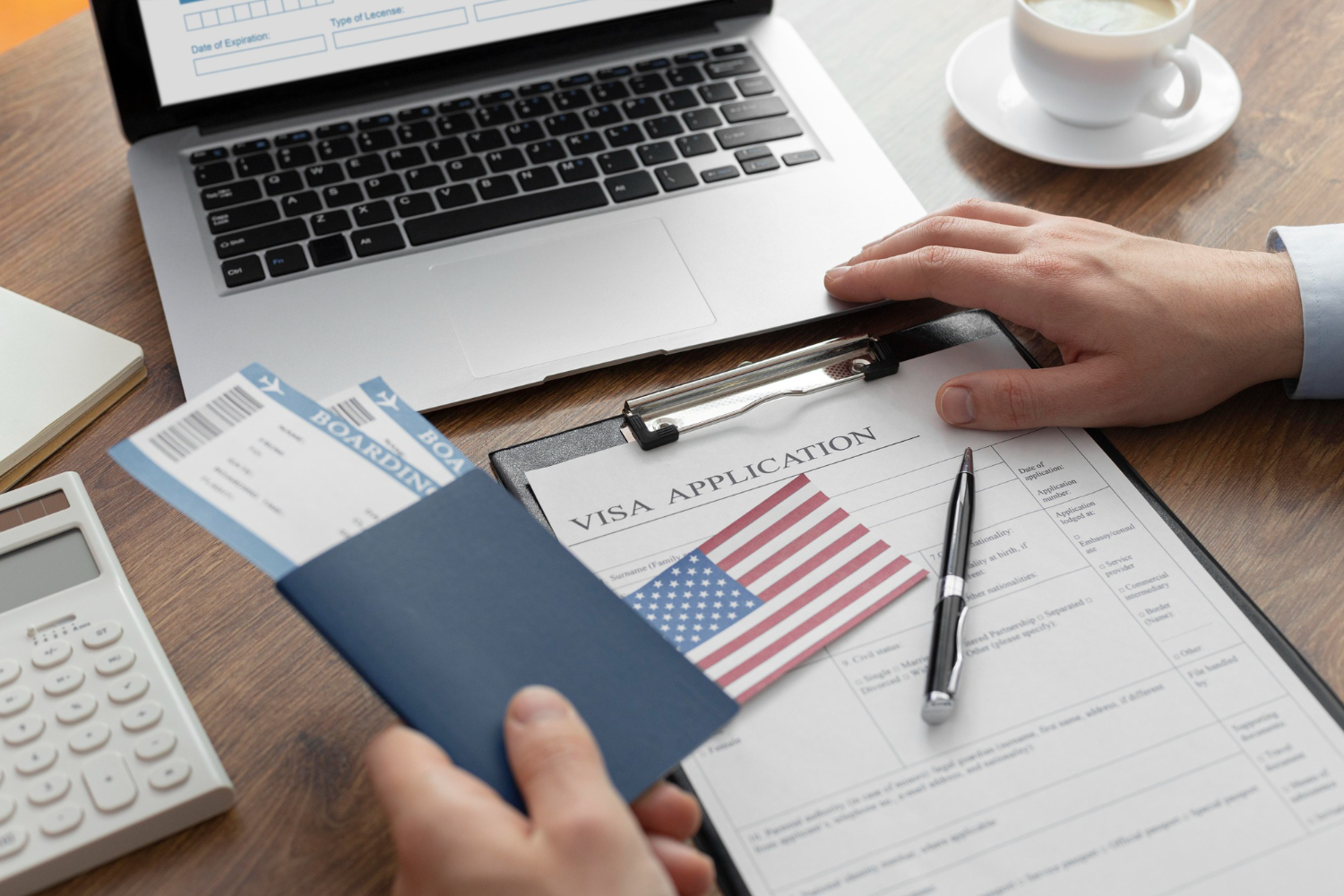
USCIS ISSUES NEW GUIDANCE ON PUBLIC CHARGE INADMISSIBILITY: WHAT APPLICANTS NEED TO KNOW
minhle
News
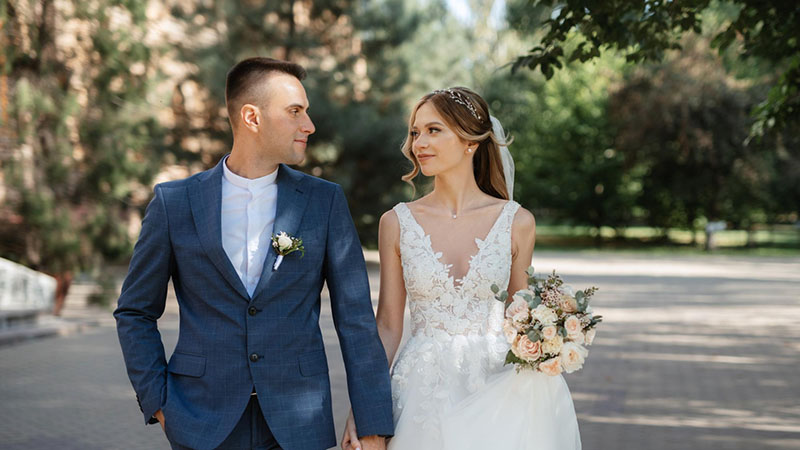
The CR1 visa is a preferred immigration pathway chosen by many families because the green card is issued immediately upon entry, allowing the spouse to work legally and enjoy full residency rights. However, the petition requires meticulous preparation from Form I-130 and bona fide relationship evidence to financial documentation. Even a minor error can cause delays or a denial. First Consulting Group (FCG) – Immigration Law Firm, will help you clearly understand the requirements, benefits, step-by-step process, and critical notes to optimize waiting time and maximize approval rates.
The CR1 visa is a US immigrant visa under the family-sponsored category, applicable to the spouse of a US citizen when the marriage is less than two years old at the time of entry. As an immigrant visa, it allows the beneficiary to become a lawful permanent resident immediately upon arrival in the US and receive a 2 year conditional green card.
When choosing a family-based immigration program, it is essential to distinguish the advantages of each category. With this visa, the beneficiary receives a green card immediately upon arriving in the US, instead of having to undergo the additional step of adjustment of status required by the K1 visa. If the marriage is already legally recognized and the goal is to shorten the family reunification timeline, this is the most advantageous option regarding time and stability.
This visa is designed for the spouse of a US citizen when the marriage has lasted less than two years up to the date of entry. The beneficiary will receive a conditional green card valid for two years. This differs from the IR1 visa, which is designated for marriages that have lasted over two years and grants a permanent 10 year green card from the outset.
The difference between the CR1 and IR1 categories lies solely in the duration of the marriage. If you have been married for less than two years, you receive a 2 year green card under the spouse petition program. If married for over two years, you receive a 10 year green card under the IR1 category. Both belong to the immediate relative category, meaning they are not subject to annual numerical caps and do not have to wait for the visa bulletin.
To qualify for US immigration under this petition, you must meet the following requirements:
Regarding the minimum income, USCIS relies on the Federal Poverty Guidelines, which are updated annually. The petitioner must demonstrate an income of at least 125% of this guideline. If the income is insufficient, you may seek a joint sponsor (co-sponsor) who is a US citizen or lawful permanent resident and meets the financial criteria.
The greatest benefit of this visa compared to the K1 is that you become a permanent resident immediately upon entry. You hold the right to work legally and travel freely. Conversely, the K1 is a fiancé(e) visa, requiring the couple to marry within 90 days of entry and subsequently file for adjustment of status. This extends the waiting period and incurs additional costs. In terms of expenses, a CR1 petition is generally more cost-effective than a K1 because you do not have to pay the additional adjustment of status fee (approximately $1,225) or fees for temporary employment authorization and travel documents.
Compared to the F2A category for spouses of permanent residents, obtaining a 2-year green card via the CR1 pathway is significantly faster because it is not restricted by annual visa quotas.
The CR1 spouse petition process goes through five main stages. Each step has specific requirements regarding documentation, deadlines, and fees. Understanding each phase helps you prepare better and avoid errors that could cause the petition to be placed on hold.
The total processing time typically ranges from 14 to 24 months, depending on the specific case. Costs include the Form I-130 filing fee of $625 if filed online or $675 if filed via paper/mail, the NVC immigrant visa processing fee of $325, the Form DS-260 fee of $325, and the medical examination fee (approximately $200 at IOM). The total estimated government and medical fees range from $1,400 to $1,600, excluding translation, notarization, and professional legal assistance fees (if applicable). Immigration support services always update the latest fee schedules to help clients plan their finances proactively.
Throughout the adjudication process, timelines for each stage may fluctuate depending on caseload volumes. Applicants must track their case status closely to know if they fall into extended background checks, administrative processing, or have missing civil documents that could stall progress. Early updates prevent sudden, unexpected requests for additional evidence.
Many petitions are delayed or denied due to avoidable mistakes. Understanding these common errors helps you prepare a stronger case and increases your chances of success.
Certain sensitive cases such as applicants with prior visa denials, past visa overstays, or petitioners with multiple divorces are highly susceptible to requests for detailed explanations. When falling into these categories, a CR1 petition can easily be evaluated for potential inadmissibility, requiring supplemental justifications or the submission of an immigration waiver application if legal barriers are present.
The second mistake involves financial sponsorship that fails to meet the minimum income requirements based on the Federal Poverty Guidelines. If the petitioner does not meet the threshold, the applicant may utilize a joint sponsor or asset-based sponsorship to make up the difference. A lack of clear financial evidence will result in the petition being deemed to have insufficient grounds for approval.
The third mistake is a lack of bona fide relationship evidence. USCIS and the US Consulate place heavy emphasis on documentation proving a genuine marriage. If you only submit a marriage certificate without photographs, correspondence history, call logs, or financial transfer receipts, the application is highly prone to suspicion. The fourth mistake is incomplete vaccinations or insufficient medical documentation. Panel clinics (such as IOM) require applicants to receive all designated vaccine doses according to the US CDC (Centers for Disease Control and Prevention) list before issuing the certified medical examination results.
The fifth mistake is inconsistent interview testimony. If the husband and wife provide conflicting answers regarding their relationship timeline, where they met, or future plans, the consular officer may deny the application or issue a refusal under Section 221(g) for further administrative review. The sixth mistake is failing to plan for the removal of conditions. Two years after receiving the conditional green card, you must file Form I-751 (Petition to Remove Conditions on Residence) to transition to a permanent green card. Monitoring the filing window and preparing the Form I-751 early ensures your lawful permanent residency status remains continuous and uninterrupted.
Relationship evidence should be structured as a continuous narrative from the initial introduction to the marriage. Prepare photographs from multiple stages: dating, engagement, wedding, and post-marriage. Store text messages, emails, call histories, and remittance receipts in chronological order. If there are children together, the child’s birth certificate also serves as powerful evidence. First Consulting Group highly recommends that applicants organize their evidence by clear milestones to avoid omissions during explanations.
Regarding finances, the petitioner should prepare tax return transcripts for the past three consecutive years, Form W-2s, monthly pay stubs, and an employment verification letter. If the income falls short, the applicant can secure a joint sponsor or demonstrate ownership of assets such as real estate or bank savings.
Before the interview, the husband and wife should review their shared story. The consular officer will inquire about how you met, the evolution of the relationship, living arrangements, and how well you know each other. A lack of consistency in your answers can easily be seen as a red flag, increasing the likelihood of the case being held for additional verification or requests for supplemental evidence. Answer confidently, consistently, and honestly. If something is unclear, state frankly “I do not recall exactly” rather than fabricating details.
Upon entering the country, the visa beneficiary must complete several critical procedures, such as obtaining a Social Security Number (SSN), managing residential records, opening a bank account, and storing documents to support the future petition for the removal of conditions. If you plan to travel outside the United States for an extended period, you must secure a reentry permit according to immigration regulations to avoid risks to your permanent resident status.
Immigrating after marrying a US citizen via the CR1 visa is a fast and efficient pathway for family reunification. However, success depends heavily on meticulous preparation from paperwork and relationship evidence to interview performance. Avoiding common mistakes, compiling robust evidence, and understanding each step in the pipeline will help you minimize waiting times and secure an approval.
If you require further information regarding petitions, visas, or US immigration programs, please contact the offices of First Consulting Group (FCG) for prompt and professional procedural assistance.
FOR A FREE CONSULTATION, PLEASE CALL:
– Hotline: (877) 348-7869
– Garden Grove Office: (714) 638-3111
– San Jose Office: (408) 998-5555
– Houston Office: (832) 353-3535
– Vietnam Office: (028) 3516-2118
Disclaimer: All information provided in this document is intended for general informational purposes only and does not constitute formal legal advice. Statistical data and processing timelines reflect the public records available at the time of publication. For precise legal assessments, please schedule a direct consultation with First Consulting Group.
Top Articles

The U.S. immigration process can be intricate, involving detailed legal requirements and procedures. To better address your unique situation, please provide your contact details to arrange a personalized consultation. A member of First Consulting Group’s dedicated team will contact you during business hours to offer expert guidance.

USA
12966 Euclid St., Suite 520, Garden Grove, CA 92840
(714) 638-3111
USA
989 Story Rd., Suite 8075, San Jose, CA 95122
(408) 998-5555
USA
1880 S Dairy Ashford Rd Ste 539, Houston, TX 77077
(832) 353-3535
VIETNAM
8th Floor, Tuoi Tre Tower, 60A Hoang Van Thu St., Duc Nhuan Ward, SaiGon
(028) 3516-2118
VIETNAM
5th Floor, Bao Minh Building, 08 Phan Van Tri St., Ninh Kieu Ward, Can Tho City
(0292) 383-0001
VIETNAM
5th Floor, Viettel Building, 11 Ly Thuong Kiet St., Thuan Hoa Ward, Hue City
(0234) 381-0016
VIETNAM
6th Floor, ACB Building, 218 Bach Dang St., Hai Chau Ward, Da Nang City
0886 00 34 00